Commercial Water Restoration in Shadeland, IN
Shadeland Water Restoration dries Shadeland buildings zone by zone, so the parts of your operation still in use keep running.
Shadeland Water Restoration provides Commercial Water Restoration in Shadeland, IN. 24/7 emergency response with IICRC certified crews, and we work with your insurance carrier on approved claims. Call (463) 241-6041 for immediate dispatch.
- Service: Commercial Water Restoration for Shadeland homeowners
- Service area: Shadeland, IN and surrounding areas
- Response time: Emergency water calls in Shadeland get crews rolling, not callbacks
- Licensed and insured (License #RC21100059)
- Serving Shadeland, IN since 2018
Commercial Water Damage Restoration in Shadeland
For offices and other commercial buildings in Shadeland, we'll handle water extraction and drying at any hour.
Site Conditions
Properties near Wea Creek and Little Wea Creek carry added flood risk in heavy rain. Freeze and thaw cycles each winter can burst pipes in unheated parts of a commercial building. Your building's own drains and roof get checked on the first walkthrough with whoever manages the property.
We cover commercial properties across Shadeland, including the area around Stidham United Methodist Church and Indiana State Road 25. We also handle commercial water losses in Romney, Dayton, Stockwell and West Lafayette.
Commercial Water Restoration for Shadeland Businesses
Water from an upper floor finds the stairwell and the elevator, because those are the open shafts in a building. Once it reaches the pit a lift is out of service on top of a water loss. Shadeland Water Restoration works commercial losses in Shadeland, pumps and dries the pit, and coordinates with your lift contractor before anybody assumes the car is safe to run.
Aaron Christy founded the company behind Shadeland Water Restoration in 2018. On commercial work in Shadeland, crews measure before anything gets cut. They read every affected floor, record the readings by location and remove only what the meters support. The final readings sit in the same file as the first day's moisture map, so ownership can compare the two.
Removal happens where the readings justify it. Gypsum board gets cut at a measured height above the wet line, saturated insulation comes out, and material that will dry in place stays, which keeps the rebuild smaller. Shadeland Water Restoration crews document every cut with photographs and meter readings before a saw comes out, and the scope gets reviewed with you in writing.
When the water came from another suite or from a vendor's work, the origin shapes how responsibility gets sorted out. Photograph the source and note who was working in the space above. Leave the failed fitting in place so the crew can document it. Shadeland Water Restoration records the path of the water from that source to your Shadeland space.
Have the address and the suite number in front of you when you phone Shadeland Water Restoration about water in your Shadeland building. Expect questions about where the water is entering and who holds the keys, and the walkthrough then gets set up around your answers, with your building engineer in the loop from the start.
Signs You Need Commercial Water Restoration
If you notice any of these in your Shadeland building, schedule a free inspection before the issue worsens.
Pallets or cardboard cases showing a wick line a few inches up from the slab
Water heater tank leaking onto a utility room floor and running under the door
Patches of a concrete slab staying dark for hours after everything around them dried
Water pooling at the base of an interior column or along a demountable partition track
Condensate overflowing from an air handler pan onto the mechanical room floor
An interior roof drain leader gurgling or backing up during heavy rain
Standing water in the lift pit, or a pit alarm showing on the monitoring panel
Water tracking out from under a server rack or running along a cable tray
Musty odor at a return air grille that gets stronger when the HVAC runs
The water meter still turning overnight while every fixture in the building is shut off
How Shadeland Water Restoration Handles Commercial Water Restoration
We follow these steps in order on every Shadeland job.
Dispatch and Site Access
A crew dispatches to the property once the call comes in. The team sends the certificate of insurance and vendor paperwork ahead, so badging, loading dock use and freight lift access are cleared before the truck arrives.
Contents and Furniture Protection
Furniture and fixtures get labeled by room and photographed in place, then blocked up or moved to dry staging in the order the zones open. The inventory travels with the job file alongside the readings.
Containment and Zone Planning
Affected areas get polyed off and put under negative pressure where the water category calls for it, with corridors and egress kept clear. Zone boundaries get drawn with your management office so unaffected tenants keep working.
Extraction at Scale
Submersible pumps take standing water, truck mounted units pull saturation from commercial carpet and glue down assemblies, and weighted heads work the backing. Crews move in sections on large floor plates so water doesn't get pushed into dry space.
Selective Removal
Material comes out of your Shadeland building where the meters and the water category support it, and stays where it can dry in place. Each cut is photographed and logged by location, and the list is reviewed with you in writing.
Commercial Water Restoration in Shadeland
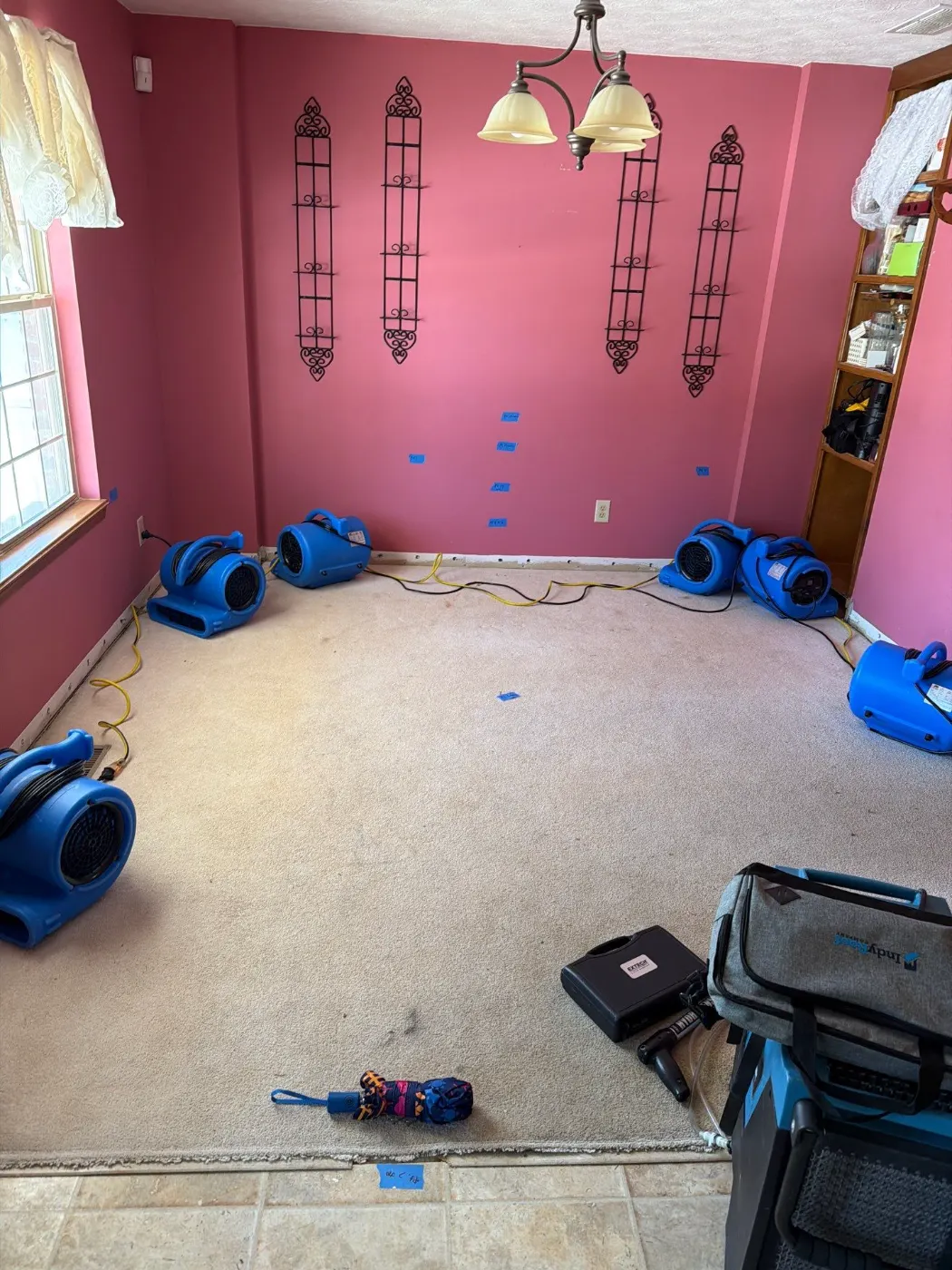
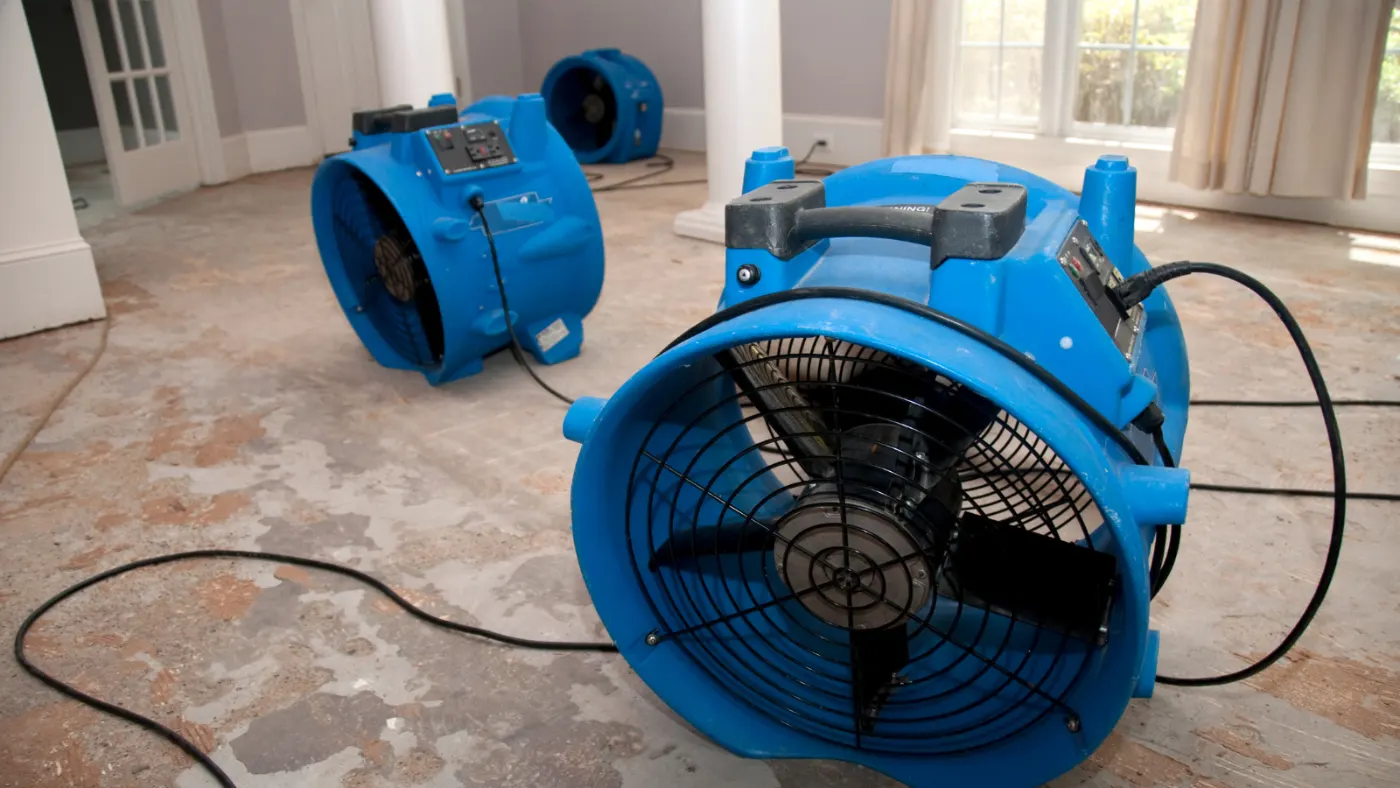
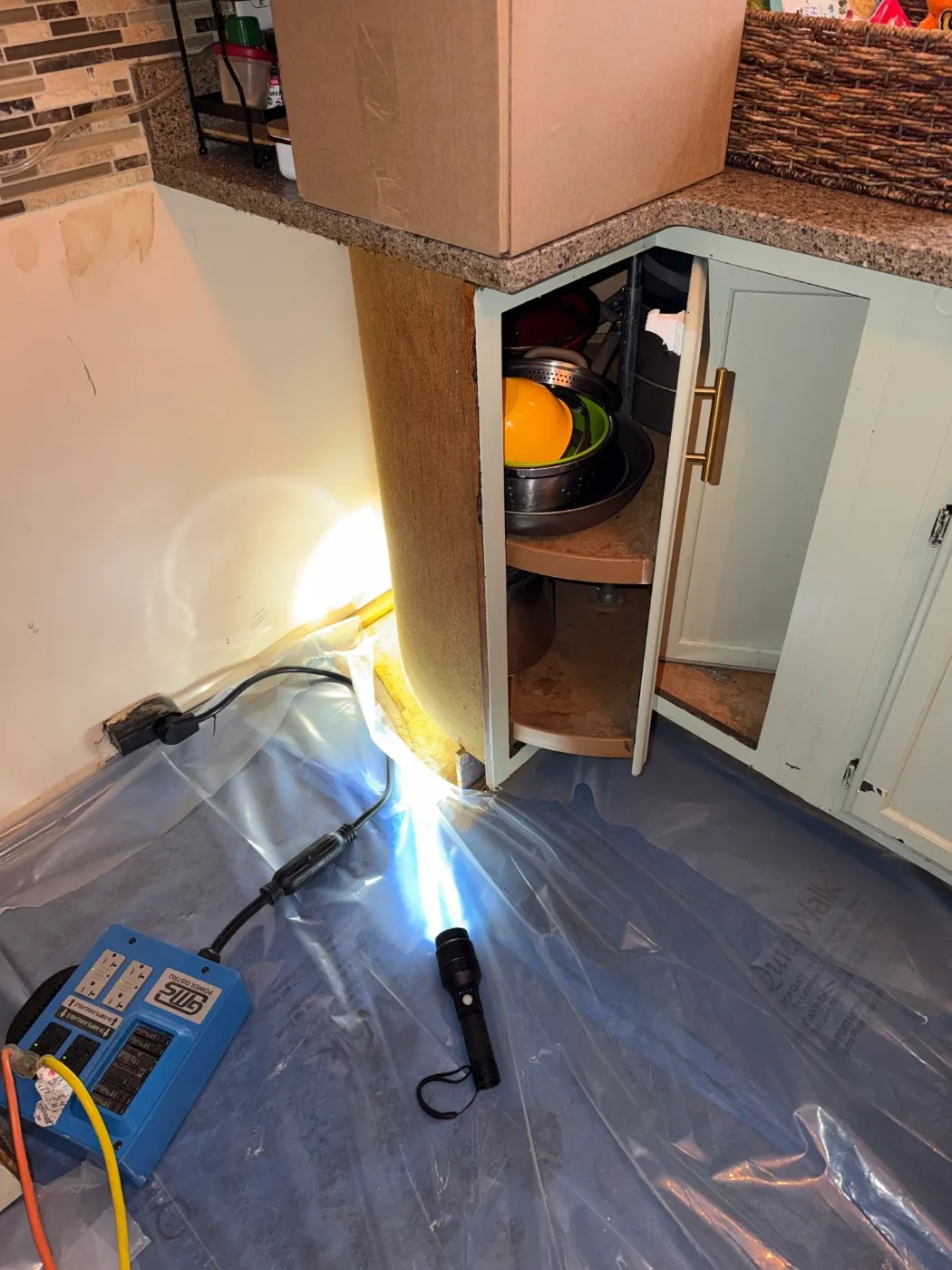
Photographs from real commercial water restoration jobs completed by our crew in Shadeland and surrounding areas.


Commercial Water Restoration FAQ
Questions Shadeland property managers ask us about commercial water restoration.
Guidance and Standards for Commercial Water Restoration
- The ANSI/IICRC S500 is the published standard for professional water damage restoration. The current edition is the Fifth Edition, 2021. IICRC S500 Standard
- EPA advises drying water damaged areas and items within 24 to 48 hours to prevent mold growth. EPA: A Brief Guide to Mold, Moisture and Your Home
Shadeland Neighborhoods We Serve
We take commercial water restoration calls in every part of Shadeland. Pick your neighborhood for local details.
Other Restoration Services in Shadeland
Shadeland Water Restoration handles the full scope of restoration work. Explore our other services below.
Water Damage Restoration in Shadeland
24/7 emergency response. IICRC certified water restoration from extraction to full dry out.
Learn more →Basement Flooding in Shadeland
Basement water emergencies handled fast. Extraction, drying, mold prevention.
Learn more →Sewage Cleanup in Shadeland
Category 3 biohazard cleanup. Full containment, decontamination, structural restoration.
Learn more →Request Commercial Water Restoration
Reach Us Directly
Our team is available 24/7 for emergencies and ready to schedule inspections during business hours.
Need Immediate Help?
For active water or mold emergencies, call us directly. We are available 24/7.