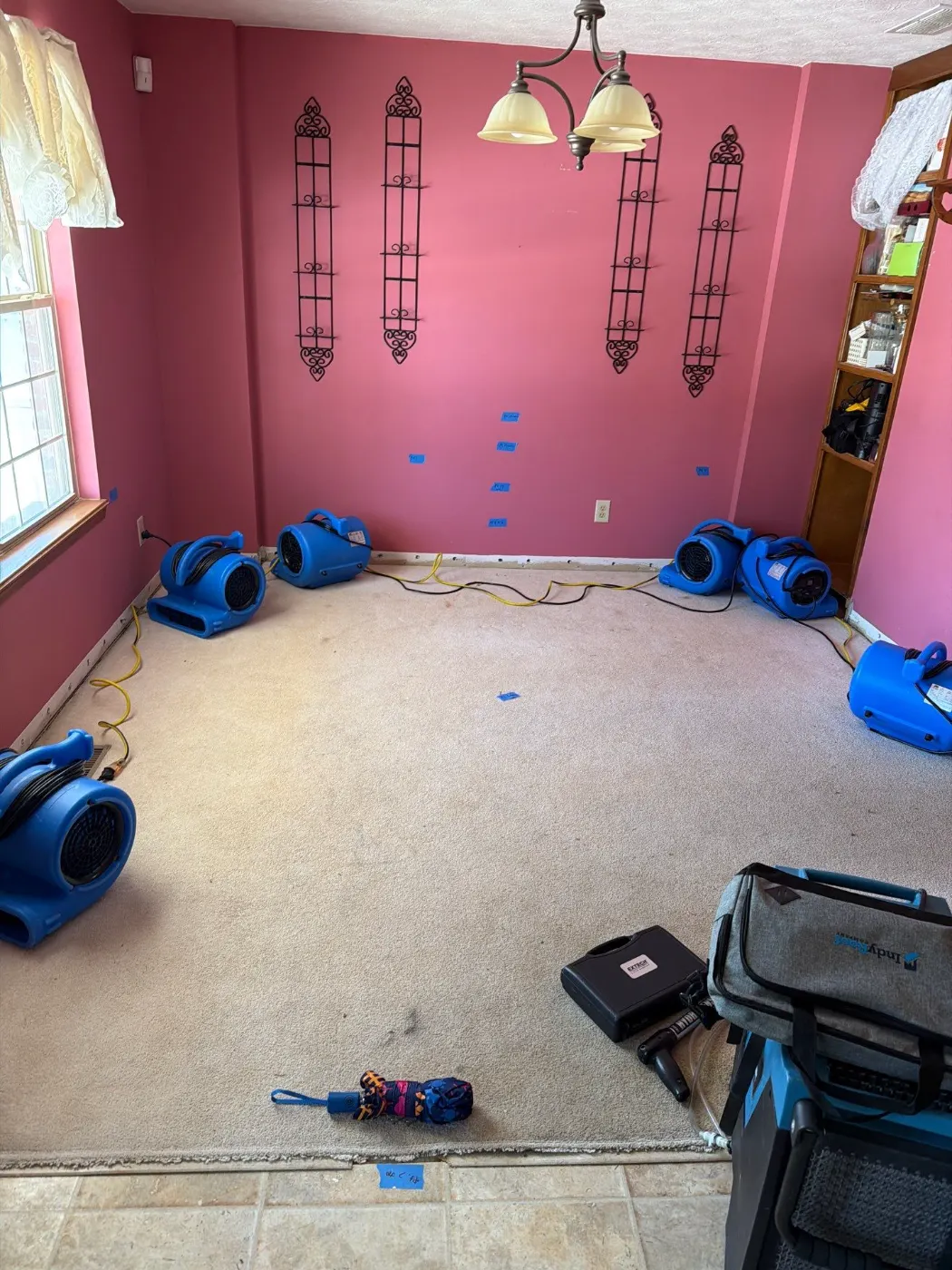
Commercial Flood Damage Cleanup in Shadeland, IN
Pallets, fixtures, and records packed out and inventoried while the crew dries your Shadeland building section by section.
Shadeland Water Restoration handles Commercial Flood Damage Cleanup for Shadeland, IN homeowners: emergency dispatch around the clock, IICRC certified technicians, and insurance coordination on approved claims. Call (463) 241-6041.
- Service: Commercial Flood Damage Cleanup for Shadeland homeowners
- Service area: Shadeland, IN and surrounding areas
- Response time: 24/7 answering with priority emergency dispatch across Shadeland
- Licensed and insured (License #RC21100059)
- Serving Shadeland, IN since 2018
Commercial Flood Cleanup in Shadeland
We'll pump out and dry commercial buildings in Shadeland after floodwater gets inside.
Flood Exposure Here
Flood risk here runs highest for sites close to Wea Creek and Little Wea Creek. Your building's own flood exposure gets mapped when we walk the site with your facilities contact.
Our flood crews work commercial sites throughout Shadeland, including the blocks around Indiana State Road 25 and Stidham United Methodist Church. We also handle commercial flood cleanup in Dayton, Stockwell, Lafayette and Montmorenci.
Commercial Flood Damage Cleanup for Shadeland Businesses
You rarely get to reopen a flooded building all at once. Some sections dry quickly, and the areas holding water in the slab or in masonry take considerably longer. Shadeland Water Restoration runs commercial flood losses in Shadeland in zones, so the parts of the property that reach dry standard can go back into use while the crew keeps working the rest, with readings in the file backing every release.
Shadeland Water Restoration handles the rebuild on commercial flood losses once the readings clear, from drywall and flooring to ceiling tile, millwork and dock seals. The rebuild scope comes from the documented tear out, so what goes back matches what came out of your Shadeland building. You approve it in writing, and it can run by zone so sections reopen in order.
Several trades usually need the same building during a flood job, and the order they work in matters. The electrician clears the panels first, and the plumber checks the drains and supply lines once the area is accessible. Shadeland Water Restoration keeps a schedule for Shadeland properties that shows each trade which areas are released and which are still active.
Keep receipts for costs you pay yourself while the building is down, such as temporary lighting or after hours security. Some policies include extra expense coverage and others leave it out, so ask your agent which applies to your Shadeland property. The daily log shows how long each zone stayed in active work and when it was released, which matches the dates on those receipts.
If water is standing on a slab in your Shadeland building, the clock on inventory, flooring, drywall, and wall base is already running. Shadeland Water Restoration dispatches within two hours with submersible pumps, truck mounted extraction, and desiccant capacity for the concrete underneath. Shadeland Water Restoration handles the work from pumping through rebuild, with one file from the first call to the final walkthrough.
Signs You Need Commercial Flood Damage Cleanup
If you notice any of these in your Shadeland building, schedule a free inspection before the issue worsens.
Buckled or crowned laminate and engineered flooring in a break room, lobby, or office suite
A dark tide line on drywall or wall base running along a corridor at a consistent height
Swollen particleboard casework or a reception desk with a soft base after the water dropped
Dock seals and door thresholds showing silt or a waterline after a heavy rain
Raised access floor panels rocking or sounding hollow, with standing water in the plenum below
A musty or sour smell strongest at return air grilles or when the air handlers first start up
Acoustic ceiling tiles stained brown or sagging out of the grid in a line under a pipe run
Condensation forming on interior metal doors and glass partitions that stayed clear before the loss
Drywall damp well above the standing water line, with the moisture still climbing
Pallet bottoms dark and soft, with cardboard cases on the lowest layer collapsing under weight
How Shadeland Water Restoration Handles Commercial Flood Damage Cleanup
We follow these steps in order on every Shadeland job.
Details From the Call
The dispatcher collects the basics by phone, from the water source to the power status, and tells you what to leave alone until the crew arrives, such as wet electrical gear. A building contact is recorded so the crew can get into your Shadeland property.
Electrical Safety First
Nobody enters a flooded area until your electrician or the utility has confirmed the circuits there are shut off. Pumps and dehumidifiers then run from temporary power set up outside the wet zone, with cords kept off the floor.
Staged Water Drawdown
Below grade levels get pumped down in stages while the soil outside is still saturated. The crew pauses between passes to check walls and slab, and logs the water level each time.
Source and Contamination Check
The crew records where the water came from and what it crossed, and photographs the entry point. Floodwater and sewer backups get containment with HEPA filtered negative air before anything else, and every load of soaked material that leaves gets documented.
Removing Soaked Materials
Porous materials soaked by floodwater, such as carpet and drywall, come out to the height the readings call for and get bagged where they fall. Each area is photographed before and after, and quantities go in the log.
Commercial Flood Damage Cleanup in Shadeland
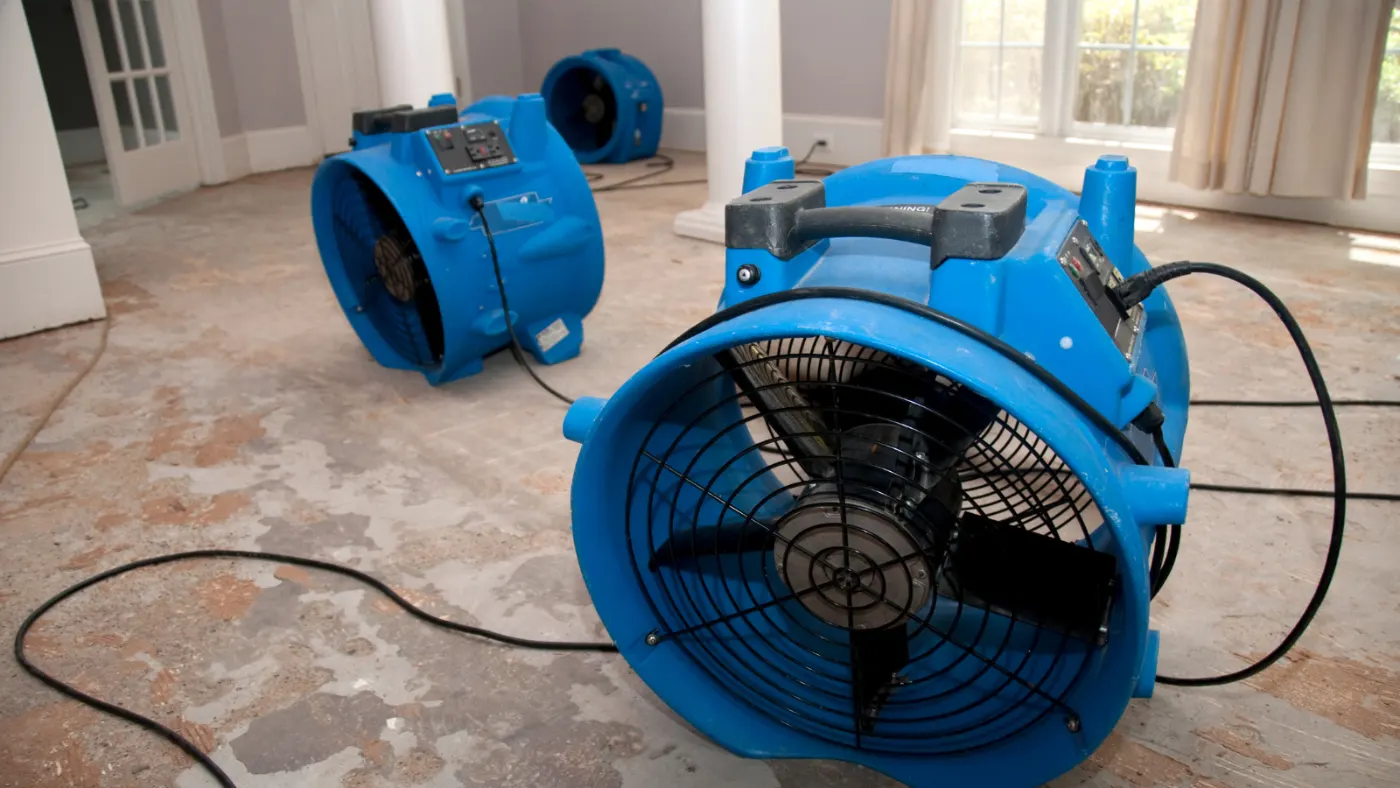
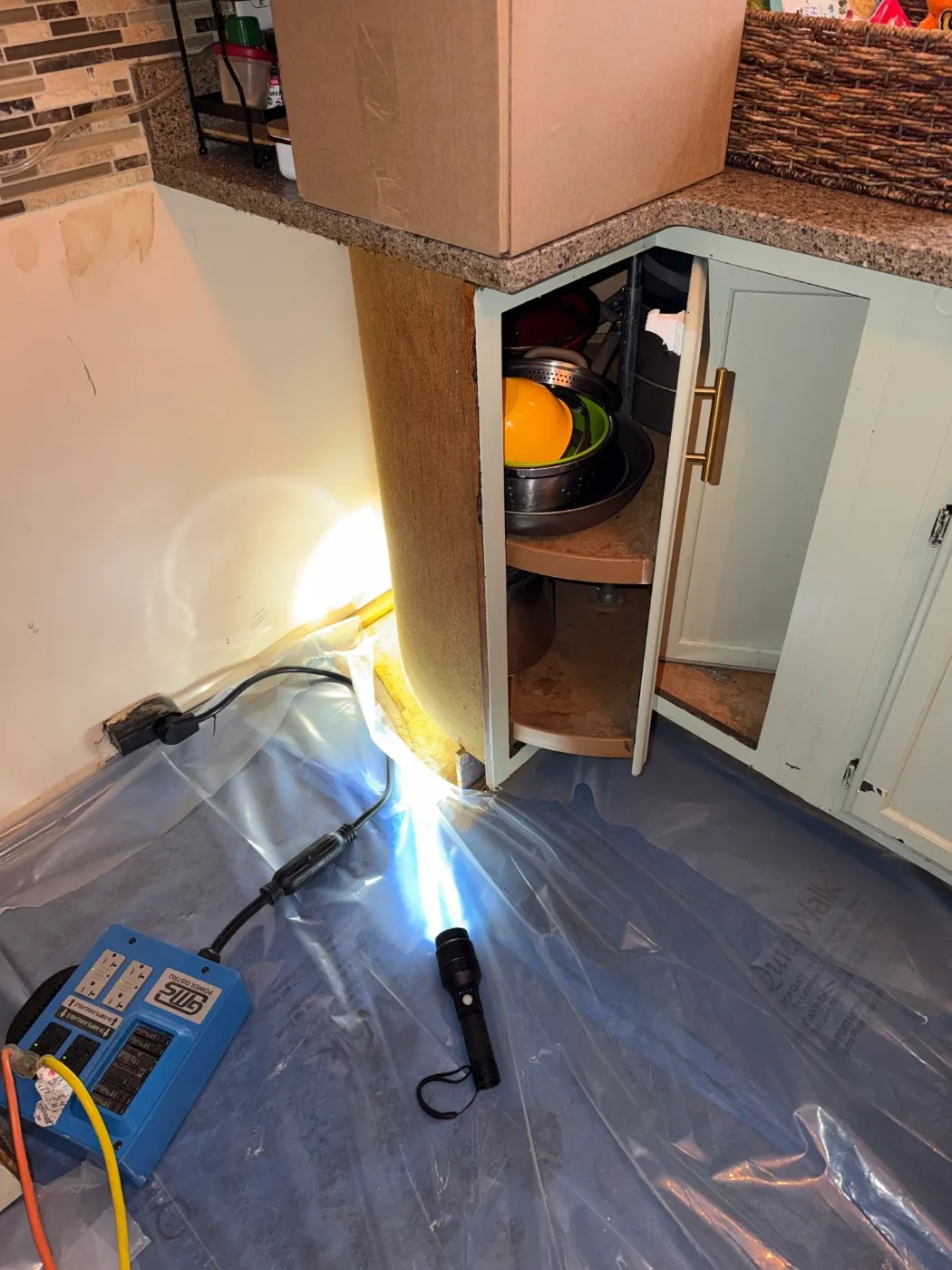
Photographs from real commercial flood damage cleanup jobs completed by our crew in Shadeland and surrounding areas.


Commercial Flood Damage Cleanup FAQ
Questions Shadeland property managers ask us about commercial flood damage cleanup.
Guidance and Standards for Commercial Flood Damage Cleanup
- The ANSI/IICRC S500 is the published standard for professional water damage restoration. The current edition is the Fifth Edition, 2021. IICRC S500 Standard
- EPA advises drying water damaged areas and items within 24 to 48 hours to prevent mold growth. EPA: A Brief Guide to Mold, Moisture and Your Home
Shadeland Neighborhoods We Serve
We take commercial flood damage cleanup calls in every part of Shadeland. Pick your neighborhood for local details.
Other Restoration Services in Shadeland
Shadeland Water Restoration handles the full scope of restoration work. Explore our other services below.
Water Damage Restoration in Shadeland
24/7 emergency response. IICRC certified water restoration from extraction to full dry out.
Learn more →Basement Flooding in Shadeland
Basement water emergencies handled fast. Extraction, drying, mold prevention.
Learn more →Sewage Cleanup in Shadeland
Category 3 biohazard cleanup. Full containment, decontamination, structural restoration.
Learn more →Request Commercial Flood Damage Cleanup
Reach Us Directly
Our team is available 24/7 for emergencies and ready to schedule inspections during business hours.
Need Immediate Help?
For active water or mold emergencies, call us directly. We are available 24/7.