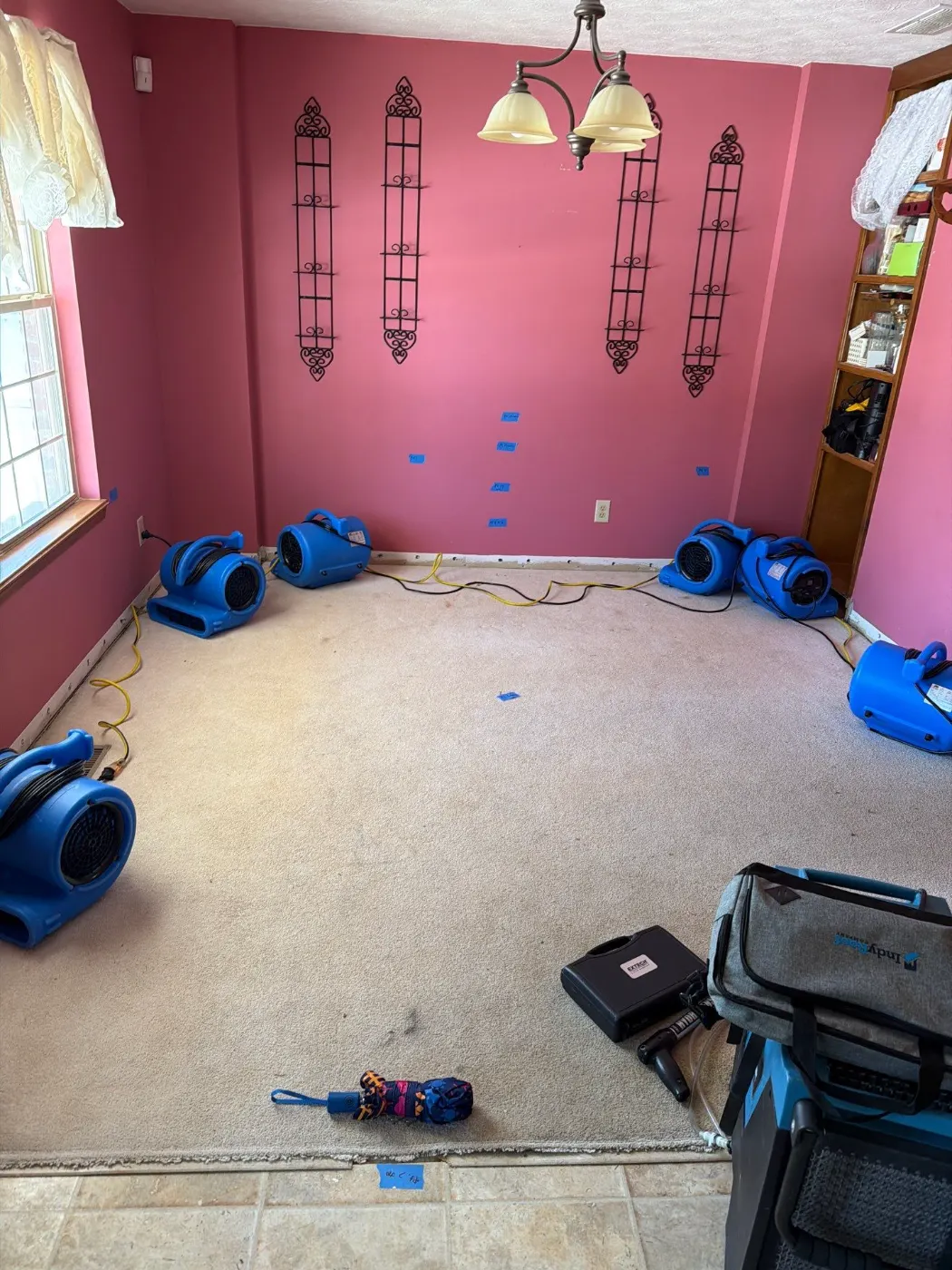
Basement Flooding in Shadeland, IN
When basement water in Shadeland spreads overnight, Shadeland Water Restoration answers the phone at any hour.
Shadeland Water Restoration provides professional Basement Flooding in Shadeland: emergency availability every day of the year, certified crews, and coordination with your insurance carrier on approved claims. Call (463) 241-6041.
- Service: Basement Flooding for Shadeland homeowners
- Service area: Shadeland, IN and surrounding areas
- Response time: Around the clock dispatch; Shadeland emergencies move to the front of the line
- Licensed and insured (License #RC21100059)
- Serving Shadeland, IN since 2018
Basement Flooding Cleanup in Shadeland
If your basement in Shadeland has water in it, we'll pump it out and dry the space to a measured standard.
Basements Here
Crawl spaces are common in parts of Shadeland.
Where the Water Comes From
Homes near Wea Creek and Little Wea Creek face added flood risk after heavy rain. In heavy storms, sewer water can also back up through floor drains, and that turns the job into sewage cleanup.
Our crews work all over Shadeland, from Flint Creek Estates to the streets near Shadeland Annex and the Eli Lilly & Company campus. We also clean up flooded basements in Romney, Dayton, Stockwell and West Lafayette.
Expert Basement Flooding for Shadeland Homeowners
A storm heavy enough to fill the sump pit often takes the power out as well, and a pump with no electricity can't lift anything. If the lights went out and your Shadeland basement kept filling, the water has been sitting on the slab since the pit overflowed. Shadeland Water Restoration pumps it out and reads every wet surface before deciding what has to come out.
Every flood leaves a high water mark on the walls and on whatever was stored down there, and Shadeland Water Restoration photographs it with a tape measure in the frame. The crew also writes down when the water was found and how long the pump sat idle. That timeline goes in your Shadeland file next to the readings.
Shadeland Water Restoration sends a technician back every day during the drying phase. Readings get taken at the same marked locations, the grains per pound in the room get compared against the day before, equipment gets repositioned as the wet zone shrinks, and photos get added whenever the scope changes. You'll see the numbers at each visit, so the end of the drying phase lands on a date the readings support.
Shadeland Water Restoration documents the drying and the rebuild as separate scopes, because they're different kinds of work. Extraction, removal, containment, equipment and monitoring sit on the mitigation side. Insulation, drywall, flooring, trim and paint sit on the rebuild side. Keeping them apart shows you exactly what you're paying for on each line, and you approve each scope in writing.
Even with the storm still going, call Shadeland Water Restoration and describe what you're seeing in your Shadeland basement. The crew can talk through what to move and what to photograph while the rain continues, and the extraction plan gets built around when the inflow slows.
Signs You Need Basement Flooding Cleanup
If you notice any of these in your Shadeland home, schedule a free inspection before the issue worsens.
Water showing up in the same corner of the Shadeland basement every time the ground stays saturated
Your water heater is leaking at the base, with water spreading across the Shadeland basement floor
Water seeping under the door at the bottom of a walkout or exterior basement stairwell
Mortar joints in the foundation wall that feel damp or crumble when you press a thumb into them
Condensation beading on cold water lines while the concrete floor stays dark and cool
Standing water across the slab, or pooled at the low spot of the floor near the drain
Steel support columns in your Shadeland basement rusting at the base where they meet the slab
Water beading up through the saw cuts or control joints in your Shadeland slab after heavy rain
A wet base around the furnace or water heater, or a damp burner compartment
Paint blistering and peeling off the lower foundation wall of your Shadeland basement in sheets
How Shadeland Water Restoration Handles Basement Flooding
We follow these steps in order on every Shadeland job.
Source Check
The crew finds where the water came from and photographs it before anything moves. Seepage through a foundation wall gets handled differently from a backup out of a sanitary line, and the source decides what protective gear the job needs and which materials come out.
Contents Handling
What was stored on the floor gets photographed, inventoried, and either blocked up off the slab or carried out of the space. Soft goods and cardboard that held contaminated water leave the house, and the list of it goes in your file.
Wall Cavity Drying
Small holes behind the baseboard let conditioned air flow into the stud bays of a finished wall in your Shadeland home. That pulls moisture off the back of the drywall and out of the framing, so more of the wall can stay in place.
Daily Monitoring
A technician returns every 24 hours while drying runs, takes readings at the same marked spots, compares room humidity against the day before, and moves equipment as the wet area shrinks. Any change to the scope arrives with photos and a conversation.
Records Handoff
You receive the photo report, the moisture map, the daily logs and the equipment record for your Shadeland basement in one file. The crew goes through it with you and answers questions about any line, so you can use it with your insurance company.
Basement Flooding in Shadeland
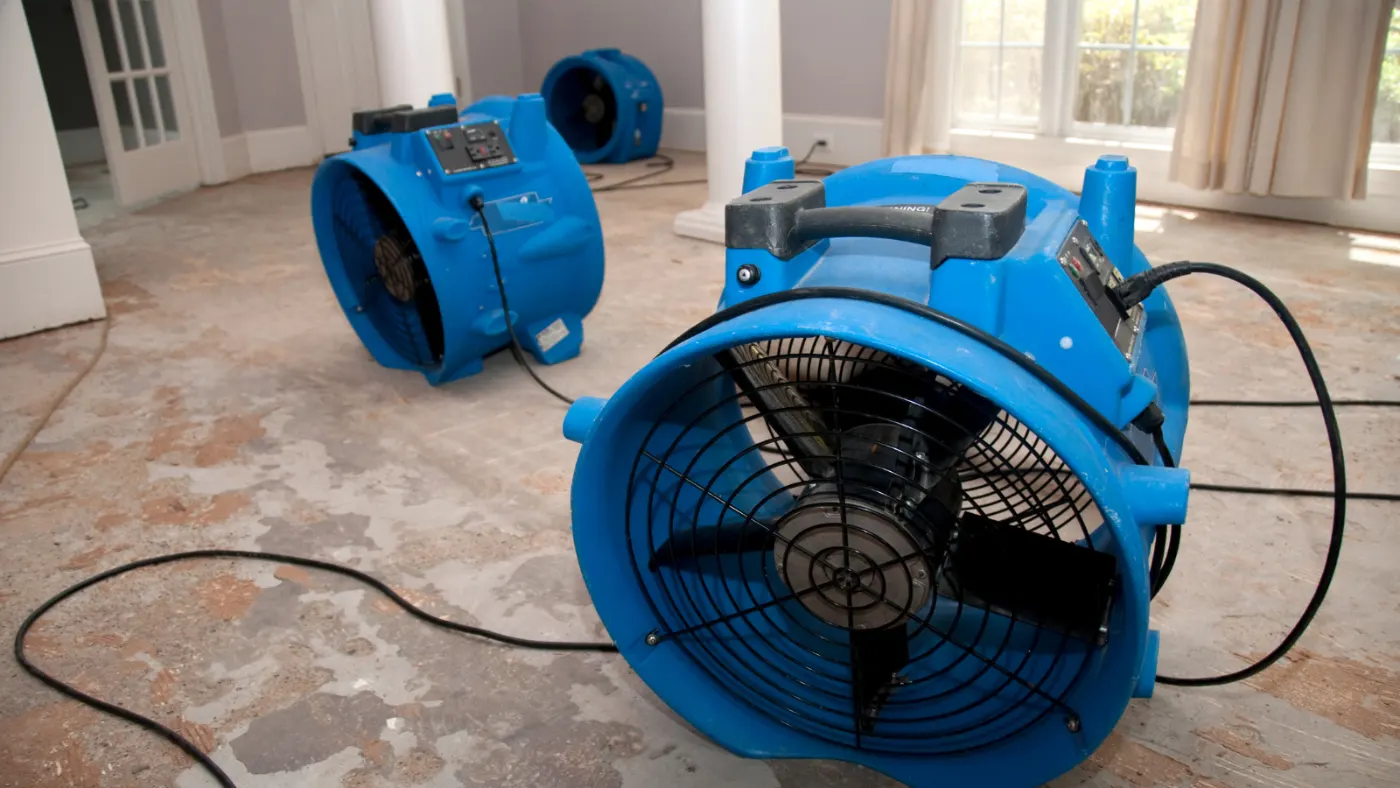
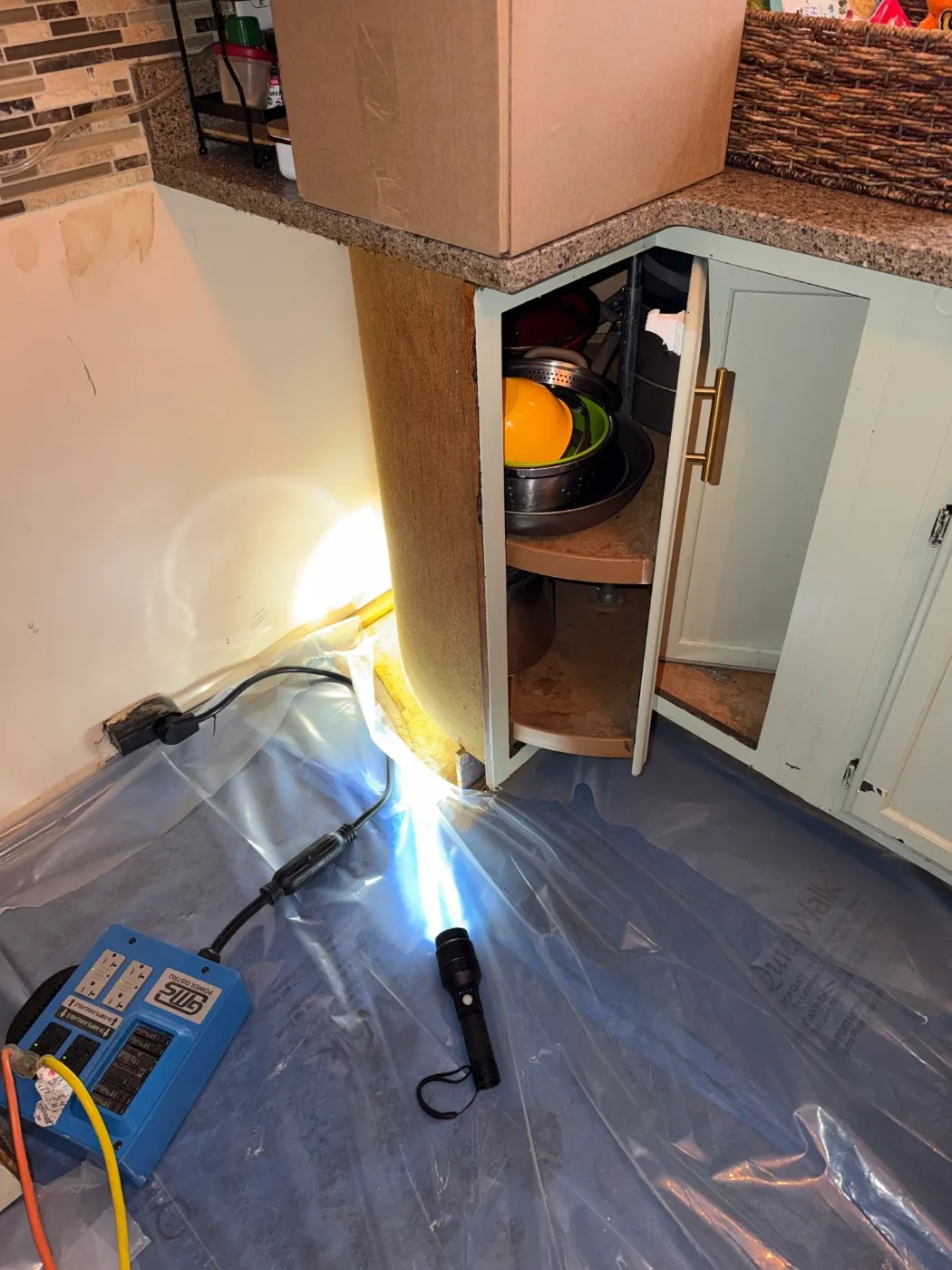
Photographs from real basement flooding jobs completed by our crew in Shadeland and surrounding areas.


Basement Flooding FAQ
Questions Shadeland homeowners ask us about basement flooding cleanup.
Guidance and Standards for Basement Flooding
- EPA advises drying water damaged areas and items within 24 to 48 hours to prevent mold growth. EPA: A Brief Guide to Mold, Moisture and Your Home
- Ready.gov notes that homeowners insurance policies don’t cover flooding, so check what your own policy says. Ready.gov: Floods
Shadeland Neighborhoods We Serve
We take basement flooding calls in every part of Shadeland. Pick your neighborhood for local details.
Other Restoration Services in Shadeland
Shadeland Water Restoration handles the full scope of restoration work. Explore our other services below.
Water Damage Restoration in Shadeland
24/7 emergency response. IICRC certified water restoration from extraction to full dry out.
Learn more →Sewage Cleanup in Shadeland
Category 3 biohazard cleanup. Full containment, decontamination, structural restoration.
Learn more →Storm Damage in Shadeland
Storm related water emergencies. Tarping, extraction, drying, and full restoration.
Learn more →Request Basement Flooding Cleanup
Reach Us Directly
Our team is available 24/7 for emergencies and ready to schedule inspections during business hours.
Need Immediate Help?
For active water or mold emergencies, call us directly. We are available 24/7.