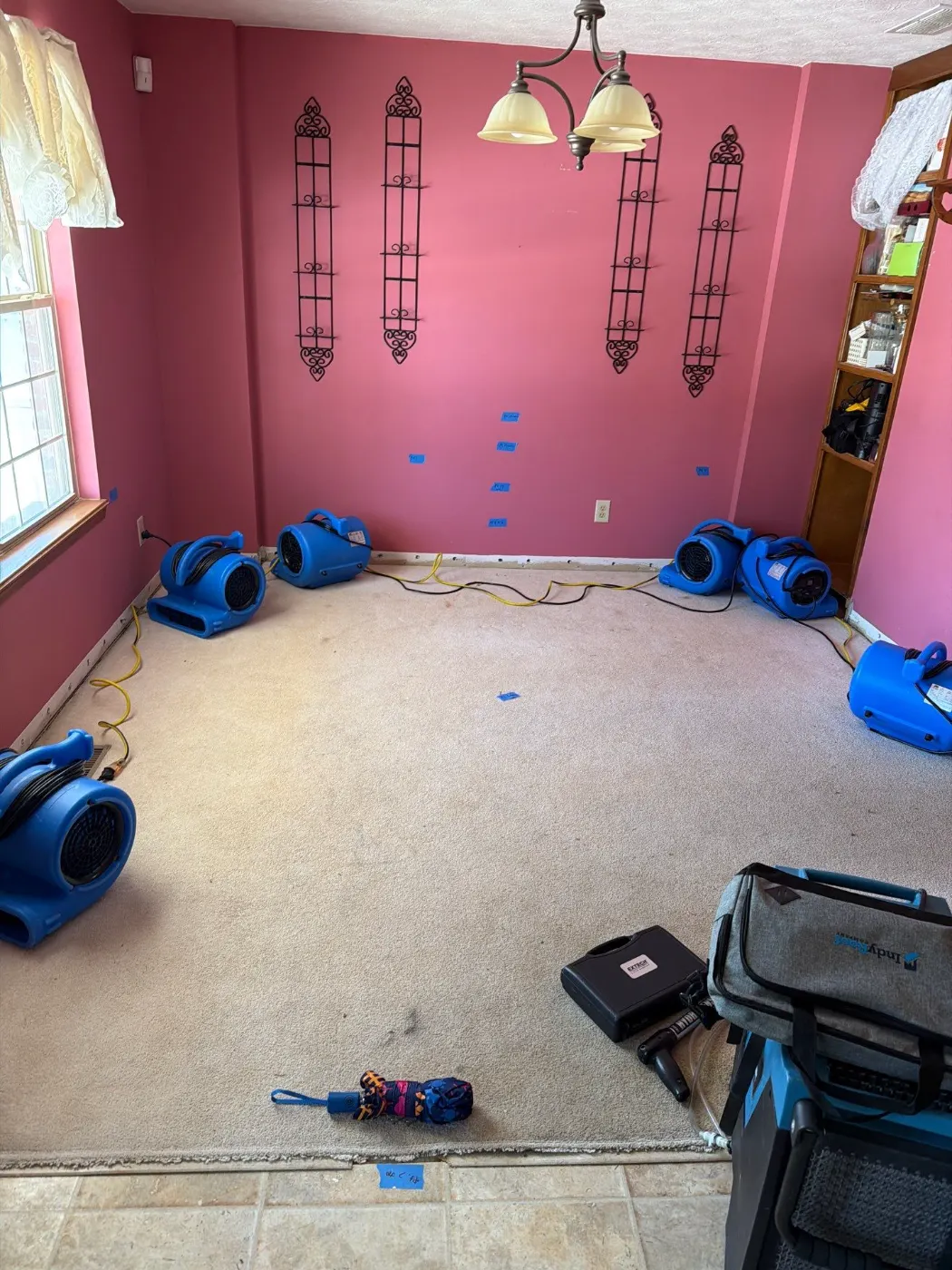
Flooded Home Response in Shadeland
When water is spreading through your Shadeland home, Shadeland Water Restoration delivers fast, around the clock emergency response across Tippecanoe County. Our IICRC certified crews handle the full job from extraction and structural drying through reconstruction, and we coordinate with your insurance carrier from the first call.
If we're busy helping someone else and miss your call, we'll call you back within 15 minutes.


Shadeland Water Restoration provides emergency water removal and complete water damage restoration for Shadeland, IN homeowners: extraction, drying, cleanup, and reconstruction coordination, with 24/7 live dispatch and insurance claim support. Call (463) 241-6041.
- Services: water damage restoration, basement flooding, sewage cleanup, storm damage
- Service area: Shadeland, Tippecanoe County, IN and surrounding areas
- Response time: Same day for Shadeland inquiries; 24/7 emergency service available
- Licensed and insured (License #RC21100059)
- Serving Shadeland, IN since 2018
Schedule Your Free Damage Assessment
A proper inspection in a Shadeland home is room by room, not a quick look at the obvious wet spot. We measure walls at multiple heights with non penetrating meters, then confirm with a penetrating probe where readings climb, working baseboards, trim, subfloors, and insulation in any suspect cavity. We pull access behind cabinets, under sinks, around water heaters and washing machines, and walk the basement perimeter and slab joints for signs of intrusion. Thermal imaging maps hidden moisture inside wall assemblies, and a hygrometer logs ambient temperature and relative humidity so drying targets are accurate. The reason for that thoroughness is simple. Hidden moisture is what fuels mold growth thirty days after the visible water is gone, and that is the single most expensive problem a Shadeland homeowner can inherit from a rushed inspection.
I agree to be contacted by Shadeland Water Restoration regarding my inquiry.
Frozen pipes burst across Shadeland every hard freeze, and the damage happens in minutes once they thaw. Hundreds of gallons can flood a home before the main gets shut off. Emergency water removal and structural drying that starts the same day keeps a bad night from becoming a bad year.
Water hitting your Shadeland home right now? Crews on-call 24/7. Truck-mounted extraction, commercial drying, full insurance documentation.
Restoration is a trust trade. Shadeland families hand over their homes at their most vulnerable, and the only acceptable repayment is competence, communication, and a finished job. That exchange is taken seriously here, every single time.
Payment Options That Work for You
Restoration is worth doing right the first time. Financing options through Shadeland Water Restoration lender partners help homeowners pay over time instead of cutting scope or delaying work.
Pay for your project at a later time, but lock in today's pricing. Ideal for homeowners waiting on insurance settlements.
- No payments for 12 months
- No interest if paid in full
- Lock in current pricing today
Divide your project cost equally across 12 months with zero interest. Most homeowners choose this option for predictable budgeting.
- Equal monthly payments
- 0% interest for 12 months
- Simple, predictable budgeting
Spread your investment over up to 20 years with fixed equal payments. The right choice for larger projects or homeowners who prefer lower monthly amounts.
- Up to 20-year terms available
- Fixed equal payments
- Ideal for larger restoration projects
Subject to credit approval. Ask your project lead for current terms and promotions.
Water Damage Restoration Work Across Shadeland
Every service below starts with finding where the water came from and measuring how far it spread.
Water Damage Restoration in Shadeland
Serving Shadeland: full scope residential water damage restoration covering extraction, structural drying, antimicrobial treatment, and reconstruction. Work is performed to the IICRC S500 standard with documented moisture readings throughout.
Learn moreBasement Flooding in Shadeland
For Shadeland addresses, basement flood response including water extraction, content pack out where needed, structural drying of walls and slab, and remediation of affected finishes. We address both surface water and groundwater intrusion situations.
Learn moreSewage Cleanup in Shadeland
Serving Shadeland: category 3 sewage cleanup under containment, including removal of contaminated porous materials, antimicrobial treatment of remaining structure, and HEPA filtration during the work. Performed per IICRC protocols for biohazard contamination.
Learn moreStorm Damage in Shadeland
In Shadeland, storm driven water intrusion restoration including extraction, structural drying of affected assemblies, and reconstruction of interior damage from wind driven rain, hail openings, and flood events.
Learn moreCommercial Water Restoration in Shadeland
For Shadeland addresses, commercial water damage restoration for offices, retail, and light industrial properties, scoped to minimize operational downtime. Includes extraction, drying, and reconstruction under IICRC S500.
Learn moreCommercial Flood Damage Cleanup in Shadeland
For Shadeland addresses, commercial flood damage cleanup for businesses affected by storm flooding or major water releases, including bulk water extraction, content handling, and structural drying of large affected areas.
Learn moreCommercial Sewage Cleanup in Shadeland
Serving Shadeland: commercial sewage cleanup under full containment for businesses dealing with sewer backups or wastewater releases. Includes contaminated material removal, antimicrobial treatment, and verification.
Learn moreCommercial Mold Remediation in Shadeland
For Shadeland addresses, commercial mold remediation performed to the IICRC S520 standard, including containment, HEPA filtration, removal of affected materials, antimicrobial treatment, and post remediation verification.
Learn moreCommercial Storm Damage in Shadeland
In Shadeland, commercial storm damage restoration covering water intrusion from severe weather events, including emergency mitigation, structural drying, and reconstruction of affected interior spaces.
Learn more
Local Expertise, Real Results
Built on documented work, verified drying, and clean handoffs to Shadeland homeowners and their insurance carriers.
The first call after a water emergency in your Shadeland home is the most important one. Shadeland Water Restoration is built to be that call. Local crew, IICRC trained, Indiana licensed, with a typical 2 hour dispatch on emergencies and the documentation your insurance carrier needs to approve your claim without back and forth.
Shadeland Water Restoration serves Shadeland homeowners and property owners across Tippecanoe County, covering the city itself plus surrounding communities like Lafayette, West Lafayette, Dayton, Stockwell, Romney, and Montmorenci. Water damage restoration is what we do every day, not a side service tacked onto a general contracting business. Our crews are made up of experienced, IICRC certified technicians working under a licensed and insured company, which matters when an adjuster asks who handled the mitigation. We know the housing stock in Shadeland, from older farmhouses on acreage with aging copper supply lines to newer subdivision builds with PEX systems, and we scope each loss to the home in front of us.
Every Shadeland project we touch follows the IICRC S500 standard for water damage restoration, and any mold work runs to the IICRC S520 standard. That means a real moisture assessment up front using thermal imaging and calibrated meters, controlled extraction sized to the loss, structural drying with monitored air movement and dehumidification, antimicrobial application where contamination warrants it, and a verification pass before any reconstruction begins. Drying is not finished because a wall feels dry to the touch. It is finished when meter readings on affected materials match unaffected baselines in the same building. That difference is what separates a clean restoration from a callback six months later.
Our Promise
Three commitments to every Shadeland homeowner who calls. First, fast emergency response day or night, with crews dispatched to your address and equipped to start mitigation on arrival. Second, IICRC certified technicians trained to the S500 standard handling the assessment, extraction, and drying. Third, a free on site inspection before any work begins, and full coordination with your insurance carrier if you have an active claim so the scope, documentation, and timeline all line up with your coverage.
Four Reasons Shadeland Trusts Us
Shadeland homeowners get a thorough scope, clear documentation, and honest pricing from the inspection through the final walk through, with no guesswork at the end.
Around the Clock Response
Water damage in Shadeland does not wait for business hours, and neither do we. Our 24/7 emergency line routes your call to dispatch any night or weekend, with crews loaded and rolling toward your address. Every hour without extraction expands the damage, so we move quickly to contain the source and begin moisture removal.
IICRC S500 Trained Crews
Our technicians are IICRC certified and work to the S500 standard for water damage restoration. In practice that means proper Category classification before drying begins, documented meter readings, and dry standard verification before walls go back up. It is the difference between a clean restoration and a mold call a month later.
Mitigation Through Rebuild
One company handles the Shadeland job from the first extraction pass through final paint and trim. Drywall, flooring, cabinetry, doors, and finish work are part of the same project we started with the wet vac. You are not left finding a separate contractor halfway through the claim.
Insurance Coordination
We document every affected area with photos, video, and written moisture maps before mitigation begins, then work directly with your insurance carrier on scope and justification. Most Shadeland homeowners never have to translate restoration jargon for an adjuster. We handle that conversation while you focus on your family.
Real Jobs. Real Results.
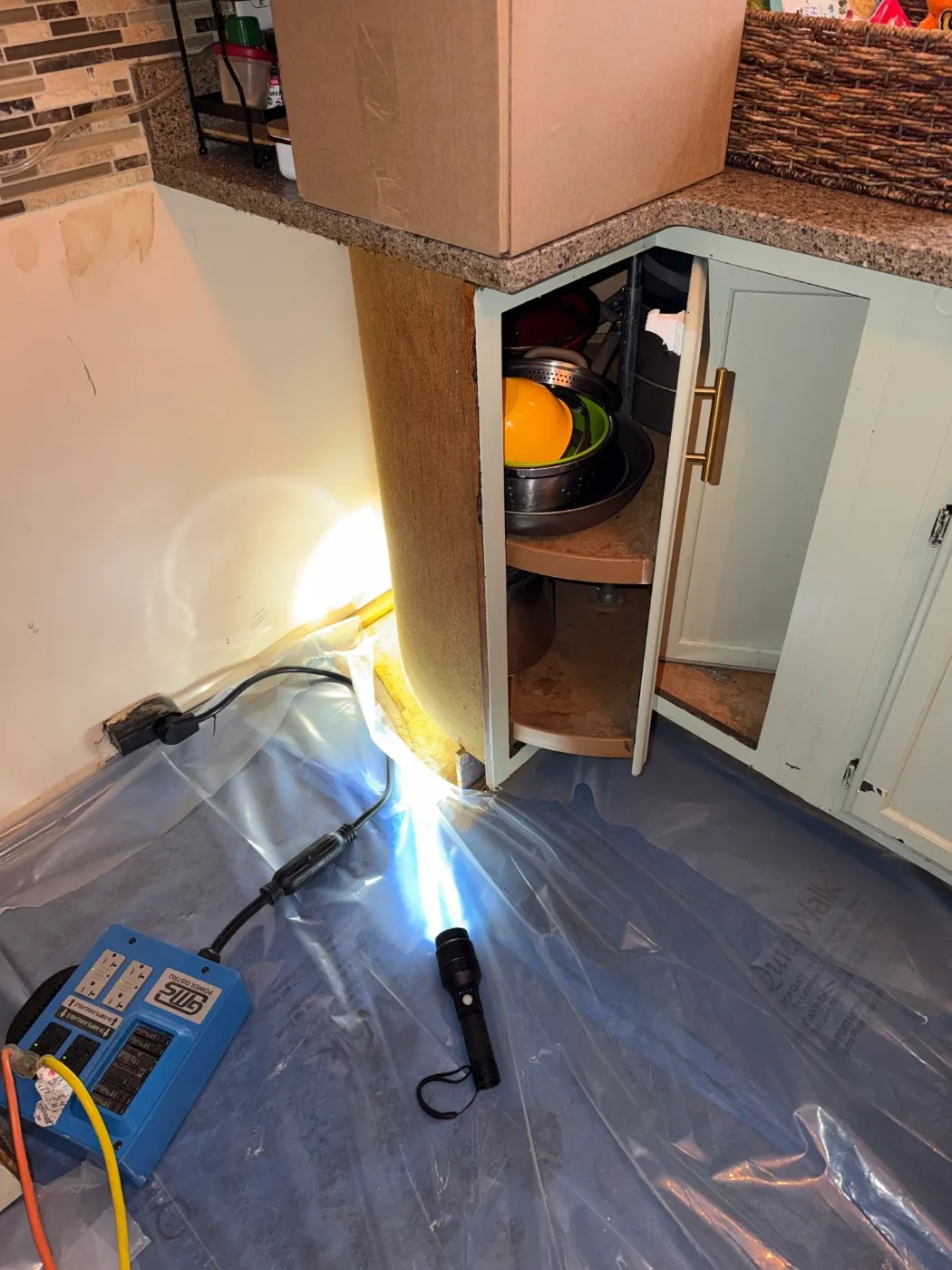
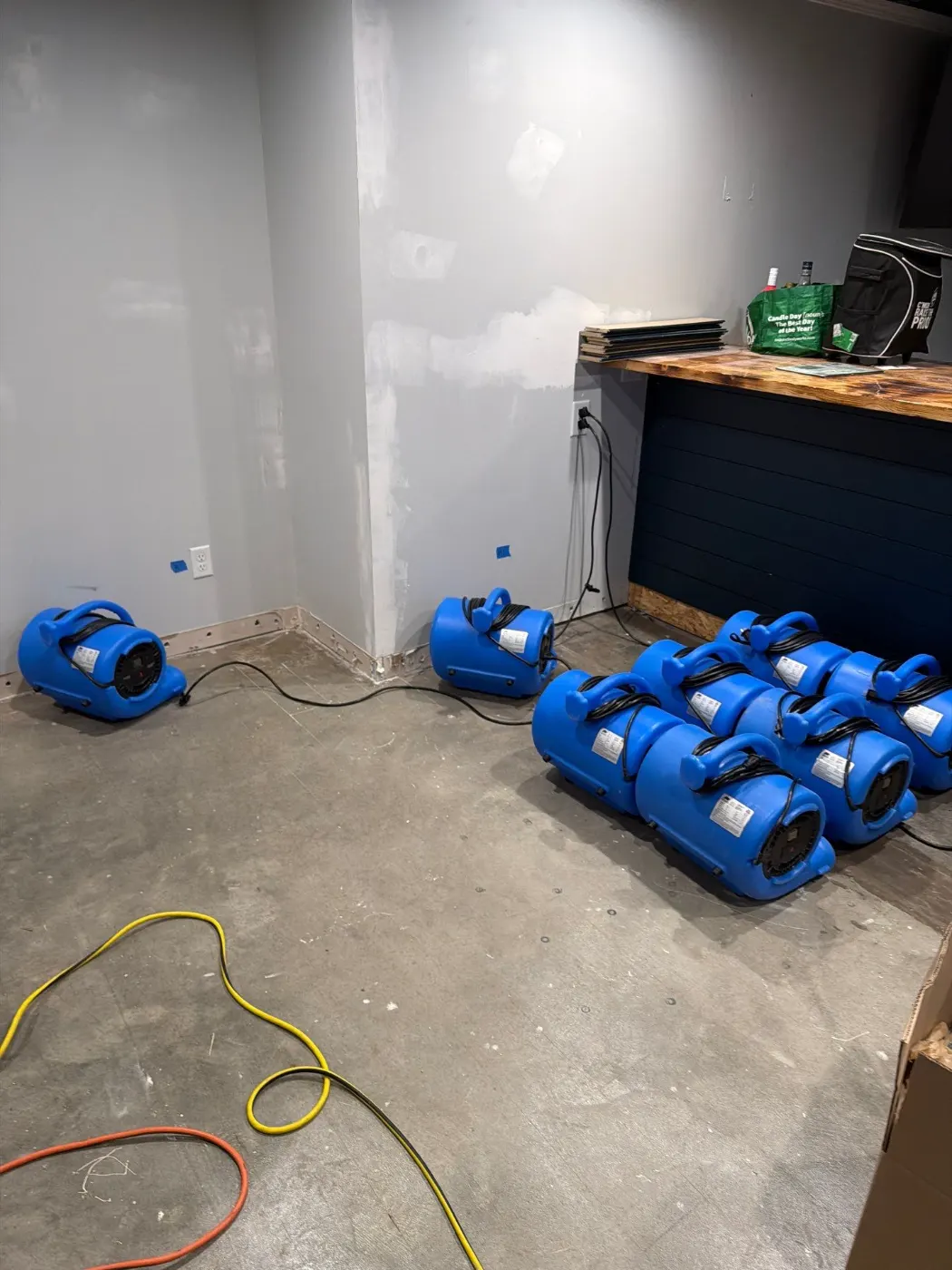
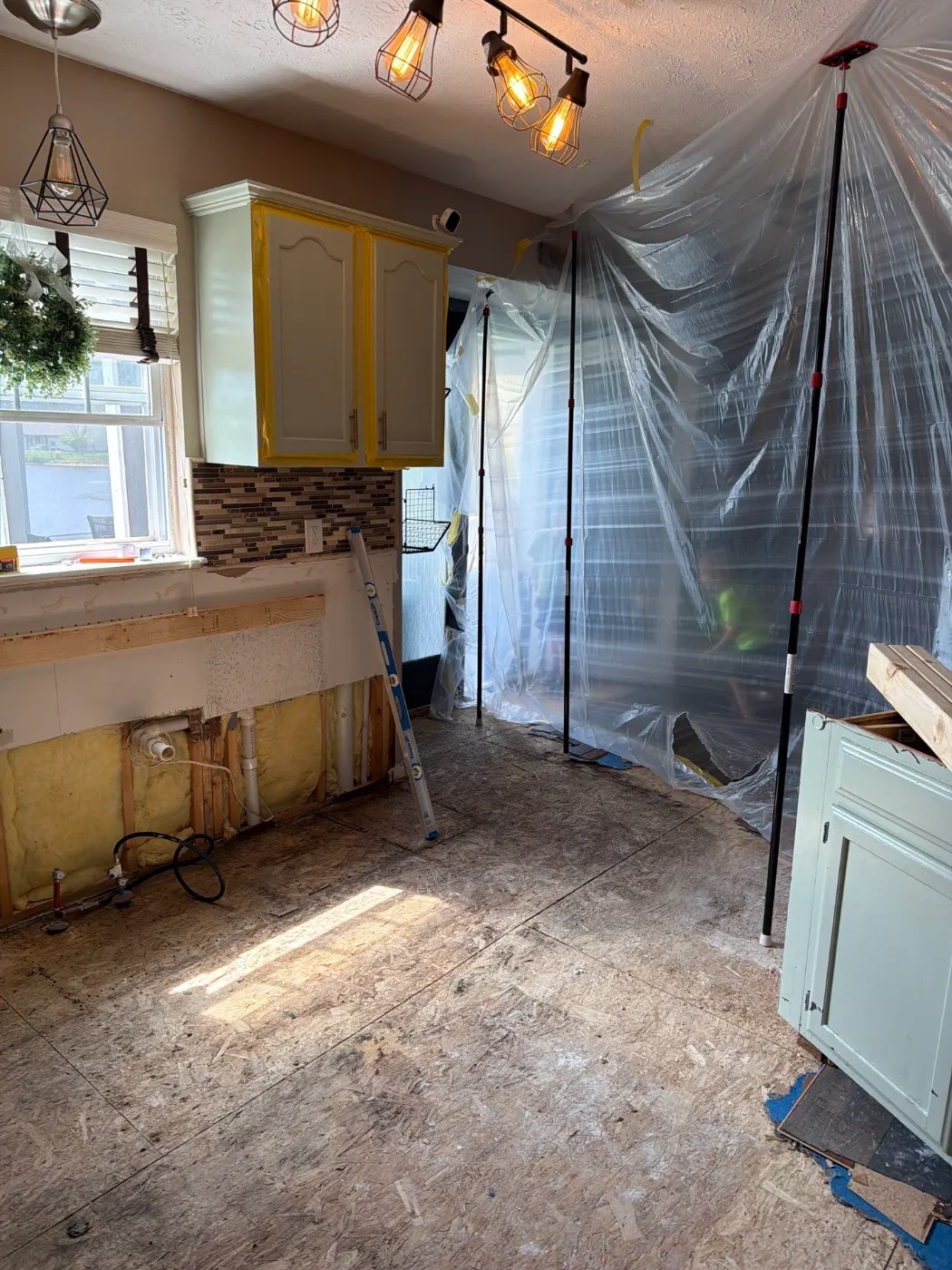
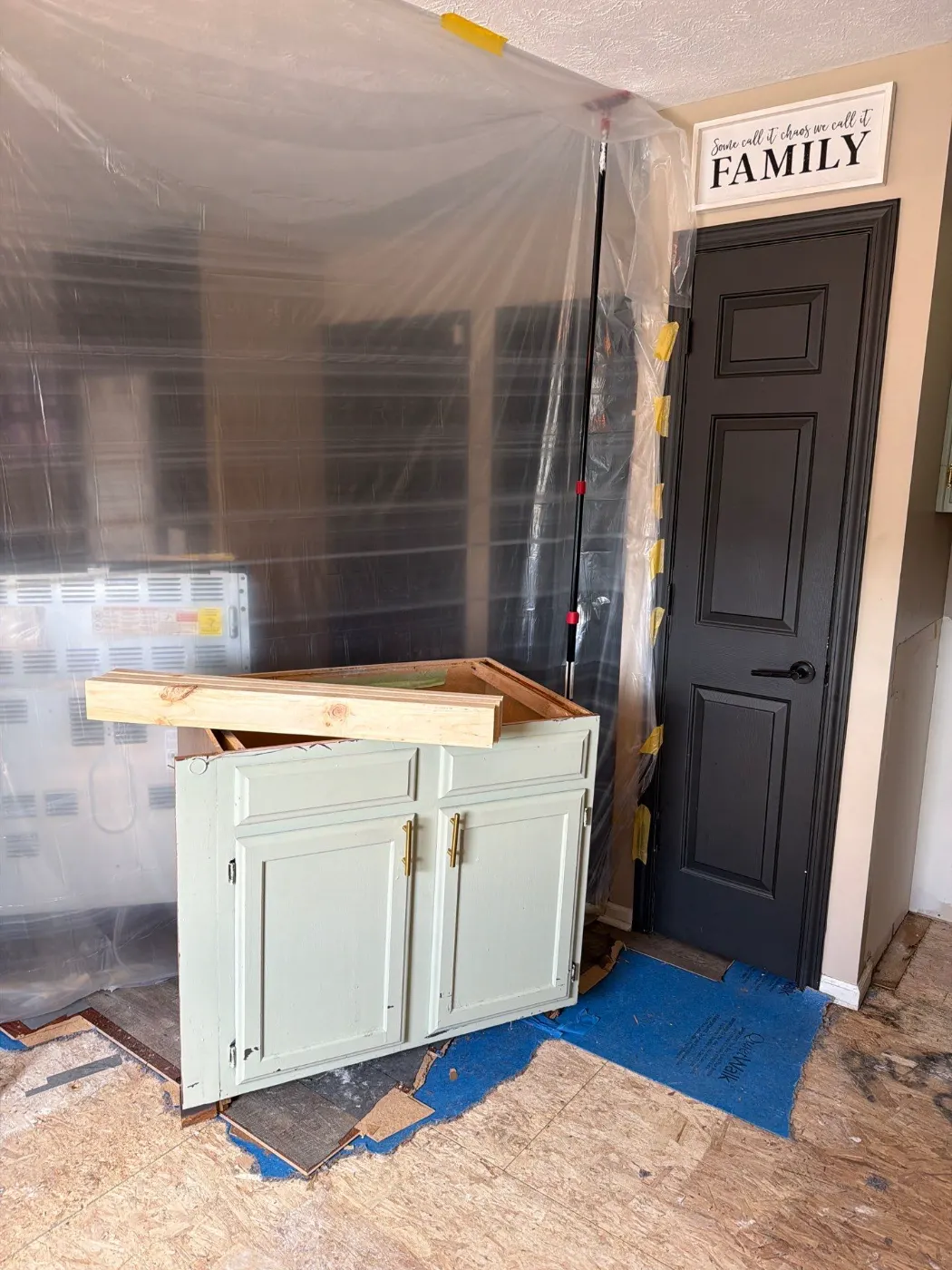
Real water damage restoration jobs from Shadeland and across Tippecanoe County, from burst supply lines and basement floods to sewage backups and storm driven intrusion, documented start to finish.

Your Shadeland Water Damage Timeline
The first phase on any Shadeland loss is assessment. A certified technician walks the property with you, identifies the source (broken supply line, dishwasher or washer overflow, sewage backup, storm intrusion through a compromised opening, slab leak), and uses thermal imaging plus moisture meters to map the actual extent of saturation. Water is then classified per IICRC S500 as Category 1, 2, or 3, which dictates the entire mitigation approach. The full scope of damage gets mapped before any drying equipment goes in the door. Assessment typically takes one to two hours depending on the size of the loss.
Phase two is documentation and insurance coordination. We photograph and video every affected area before mitigation starts, log meter readings into a written moisture map, and contact your insurance adjuster directly. Scope of work is matched to your coverage and the mitigation justification is documented to industry standard so there are no surprises when the claim is reviewed. Most Shadeland homeowners never have to handle that paperwork themselves. We work with your carrier on documentation and scope while you stay focused on your household.
Phase three is execution. Air movers and dehumidifiers are placed based on structural drying calculations sized to the affected square footage and material types, then monitored daily with logged readings until materials reach dry standard against unaffected baselines. Controlled demolition is performed only where materials cannot be saved. From there the same project moves into reconstruction (drywall, insulation, flooring, paint, trim, cabinetry, finish work) to put your Shadeland home back together. The goal is a finished space, not a dried out shell waiting on the next contractor.
Rapid Emergency Dispatch
Call our 24/7 line and a certified crew is dispatched with extraction equipment, dehumidifiers, air movers, and meters already loaded. Mitigation begins on arrival rather than after a second trip back to the shop. The faster water leaves the structure, the less material has to be replaced.
Category Determination
Every Shadeland loss is classified per IICRC S500 as Category 1, 2, or 3 based on the water source and contamination level. That classification is logged with meter readings and a written assessment. It drives whether materials can be dried in place or must be removed under containment.
Insurance Partnership
We work with your insurance carrier, not around them. Scope is documented and justified to industry standard, photos and moisture maps are shared with the adjuster, and the homeowner sees the line items before reconstruction proceeds. No mystery invoices at the end of the job.
Verified Dry Standard
Drying is monitored daily with logged moisture readings until affected materials match unaffected baselines in the same building. Walls are not closed up because they look dry. They are closed up because the meter says they are dry, which is the only honest finish line.
Water Damage Sources in Shadeland
Shadeland homes typically call us about these six water damage scenarios.
Sewer Line Backups
Clay sewer mains in older Shadeland neighborhoods crack over time, allowing roots to enter and eventually causing backups. Heavy rains worsen the problem by overwhelming compromised lines.
Downspouts Discharging at the Foundation
Extensions are the cheapest prevention there is. Get the discharge several feet out and downhill, keep the grade sloping away from the house, and most of the seepage calls stop coming.
Fire Sprinkler Discharge
Freeze is the most common accidental discharge we see, usually in an unheated stairwell, attic, or unconditioned storage room. The head splits, the system charges it, and the building takes the flow until somebody closes the valve.
Foundation and Groundwater Intrusion
Heavy rain over saturated ground forces water against foundations harder than most homeowners realize. Older Shadeland foundations weren’t designed for the rainfall intensities this region now sees.
Tub and Shower Pan Leaks
Tub surrounds leak at the spout penetration, at the valve escutcheon, and where the deck meets the wall. Any of the three puts water behind the surround, soaking framing and subfloor without ever running across the bathroom floor.
Water Heater Tank Failure
Rust at the base of the tank or a damp ring on the slab is the warning most people walk past. When the shell finally opens, the supply keeps feeding it until somebody closes the cold inlet valve, which is why we ask where that valve is on the first phone call.
How to Protect Your Shadeland Home in the First Hour of a Water Leak
Before the crew gets to your Shadeland home, focus on the water source and on safety. The checklist below covers both, plus a few things that protect your floors and belongings while you wait.
1. Close the main valve first
Find the main shutoff and close it all the way. A round handle turns clockwise, and a lever handle turns so it sits across the pipe. If the valve won't move, your water utility can usually shut off service at the meter.
2. Turn off power to wet rooms
Switch off the breakers for wet rooms only when you're standing somewhere dry and the panel is dry too. When the panel sits in a flooded basement, leave it alone and call your electric utility from upstairs.
3. Treat sewage water with care
Water from a sewer backup can carry bacteria, so avoid touching it with bare skin. Close the door to the affected room if you can, and keep everyone on a dry floor until the crew arrives with protective gear.
4. Move what you can't replace
Carry keepsakes and important papers to a dry room upstairs. Then pick up anything sitting on a wet floor, starting with cardboard boxes and anything made of paper, since those soak up water quickly.
5. Protect wood floors and furniture
Wood soaks up water quickly, so wipe off what you can and set furniture legs on foil or small blocks. Pick up area rugs so the floor under them can start to dry, and roll heavy ones onto a dry surface.
6. Leave the record to us
You have enough to deal with in the first hour. Our crew documents the damage with photos and moisture readings as soon as we arrive, and we walk you through what we found once the work is underway.
7. Let the air reach wet spots
In rooms with clean water, open closet and cabinet doors so air reaches the wet spots. On a hot, sticky day, keep the windows closed and leave the air conditioning on, since it pulls moisture out of the air.
8. Call before the water spreads further
The sooner the crew starts drying, the more of your floors and walls can be saved. Call as soon as the water is off, even late at night, since our dispatch line runs 24/7.
Call us when the source is off, and keep your phone nearby so the crew can reach you on the way.
Three Simple Steps
The same three steps apply to a small leak under a sink and to a flooded basement.
The Call That Starts It
Call us 24/7 and a crew is dispatched within 2 hours. Extraction equipment and moisture meters come with the crew, not on a second trip.
The Moisture Map
Every line item traces back to a photo and a reading. Baseboards, subfloors, and wall cavities get metered before anything is decided.
Verified Dry
Antimicrobial goes on where the Category warrants it, not by default. The drying log runs 3 to 5 days on average before Shadeland materials read dry. You get the readings, not just our word.
What's in the Photo Report You Get From Our Crew
Your photo report is built from the crew's own pictures and moisture readings. It shows where the water came from and how far it traveled, and it stays with you after the equipment leaves your Shadeland home.
The source, in pictures
Whether it was a cracked pipe or a sump pump that quit, the first photos in the report show the source up close and in the context of the room around it. That helps your plumber see the same thing we saw.
Moisture readings, room by room
Each affected room gets readings at several spots on the walls and floor. The report lists those readings with photos of where they were taken, so you can see where the wet area ends.
Photos of every affected room
The crew photographs each affected room before anything is moved or removed, then again as the work moves along. You'll see the same corner of the same room on the first day and on the last.
The plan for each room
Each room gets a short plan in the report, covering the equipment going in and anything that needs to come out. If the plan changes as the drying goes, the report changes with it.
Daily readings while it dries
While the equipment runs, the crew comes back to take new readings, and those go into the report too. You can follow the numbers as they drop and see which rooms are closest to finished.
Seeing it for yourself
The point of the report is that you can see the damage for yourself. We show you the same photos and readings the crew used, and you can ask about any of them before the work goes further.
What to do with it next
With the report in hand, you can make your own decisions about the repair. We document damage with a photo report and walk you through what we found, so you can decide with your insurance company after you check your own policy.
Call us when you find water, and the photo report starts on our first visit to your home.
What to Ask Before You Hire in Shadeland
Clear answers to these questions make it easier to compare restoration companies in Shadeland.
How will you show me it's dry?
Ask for moisture readings on the first visit and the last one, so you can see the numbers reach dry standard.
Can I see an itemized estimate?
Ask for every line item in writing. Many insurers price water losses in Xactimate, so an estimate in that format is easier for an adjuster to review.
Does my policy require a certain company?
Ask your adjuster before you sign anything, and read the work authorization so you know what you're agreeing to.
What happens if you find mold?
Ask how mold behind walls or under floors gets handled, and whether that work is priced apart from the drying.
Who handles repairs after drying?
Ask who replaces drywall, flooring, paint and trim once the structure is dry, and whether one company can do both stages.
Who will be working in my home?
Ask whether the crew works for the company you called or for a subcontractor, and who's in charge on site each day.
Indiana Weather Drives Restoration Calls Year Round
Indiana weather drives most of the water damage calls we run in Shadeland. Spring saturation pushes groundwater through foundation cracks once Wea Plains soils fill, winter freeze thaw cycles burst supply lines in uninsulated crawl spaces, and summer thunderstorms drop heavy rain on already soaked ground in Tippecanoe County.
Spring Saturation Flooding
Flat Wea Plains soils saturate quickly during prolonged spring rain cycles, and Shadeland sits within a township laced by Wea Creek and Little Wea Creek. Once the ground is full, hydrostatic pressure pushes groundwater through foundation cracks and slab joints into basements and crawl spaces. When called in, we extract, set containment, and dry the structure before secondary damage takes hold.
Winter Pipe Bursts
Indiana freeze thaw cycles routinely freeze supply lines in uninsulated crawl spaces, garage walls, and exterior runs common in rural Shadeland construction. A burst quarter inch line at 2 AM can release hundreds of gallons before the main is shut. We arrive prepared to extract, dry, and document the Category 1 loss for your insurance carrier.
Severe Thunderstorms
Tippecanoe County is regularly named in National Weather Service flood warnings, and severe summer thunderstorms drop heavy rain on already saturated fields. Wind driven rain finds compromised window seals, vents, and storm damaged openings, soaking interior wall cavities. Our crews dry the assembly properly rather than just the visible surface.
Summer Humidity and Mold
Indiana summer humidity keeps unconditioned basements and crawl spaces in Shadeland in the moisture range mold needs to colonize. A small undetected leak combined with eighty percent relative humidity can grow visible mold in days. We dehumidify, treat, and remediate per IICRC S520 when contamination is confirmed.

Shadeland Neighborhoods on Our Route
Every neighborhood listed here is part of our Shadeland service area. Open one for notes on the homes there.
Where we respond near Shadeland
Our dispatch line runs 24/7 for Shadeland and the communities closest to it.
Water Damage Risk in Shadeland
The conditions that decide how a Shadeland job goes.
About Shadeland Homes
Shadeland, IN (Tippecanoe County) is a predominantly rural town with a long agricultural history dating to the 1820s; most residential structures reflect mid-20th century farmhouse construction through contemporary builds, with a reported average home build era around the late 1980s. Homes of that vintage typically feature copper supply plumbing, while newer subdivisions such as Raineybrook and Chesapeake Pointe built in the 2010s,2020s would incorporate PEX systems. The housing stock is a mix of rural single family detached homes on acreage and newer subdivision construction including two story homes and ranch styles on larger lots; the rural, low density character (approximately 68 people per square mile) means many properties rely on private wells and septic systems rather than municipal sewer, and newer estate lot subdivisions feature walkout basement potential given the bluff and creek terrain. Mobile homes are also present in the market.
Where We Work in Shadeland
We cover homeowners across Shadeland near Indiana State Road 25 (SR-25), Farmers Institute (National Register of Historic Places), Stidham United Methodist Church (National Register of Historic Places), Wea Creek, Little Wea Creek, Shadeland Annex (Town Road Department / Union Township Trustee's office at SR-25 and Town Road 250 West), Eli Lilly & Company campus (400-acre site near Wea Creek), Tippecanoe School Corporation district schools.
Surrounding Areas We Serve
Our crew also covers Lafayette, West Lafayette, Stockwell, Dayton, Romney, Montmorenci.
Recent Weather Patterns
Shadeland and surrounding Tippecanoe County are regularly named in National Weather Service flood warnings; in June 2019 severe thunderstorms produced hail near Shadeland and flash flooding reached depths of 3 feet in parts of the Lafayette area, and in April 2026 a flood warning explicitly listed Shadeland among locations experiencing flooding from 1.5,2.5 inches of rainfall. Tornado activity near Shadeland is at or above the Indiana state average, with historical F4 tornadoes recorded within 7,8 miles of the town center, and the Tippecanoe River basin has recorded moderate flood stage events including during the remnants of Hurricane Beryl in July 2024.
What Our Crew Sees in Shadeland
Shadeland's low population density and large lot sizes mean many homes depend on private septic systems and wells, increasing the risk of both sewage backup events and groundwater intrusion during prolonged heavy rain cycles that saturate the flat agricultural soils of the Wea Plains. Homes built in the late 1980s,the reported average build era,carry aging copper or galvanized supply lines and original drain lines that are now 35,40 years old, elevating the risk of pinhole leaks, joint failures, and root intrusion in underground laterals. The presence of Wea Creek and Little Wea Creek running through the township creates identifiable flood plain exposure for properties in lower lying areas, and Indiana's freeze thaw cycle routinely threatens supply lines in uninsulated crawl spaces and garage walls common in rural construction of this era.
The Shadeland Area
Shadeland had a 2026 estimated population of approximately 1,877, growing at roughly 1% annually, with a median household income of approximately $82,708,$91,342 and a predominantly family oriented, married couple household profile. The town is largely rural (about 75% of residents in rural areas) with a median age in the upper 30s to mid-40s and a stable, long tenured homeowner base.
From Emergency Call to Finished Repair in Shadeland
The equipment, the containment, and the rebuild, explained.
Emergency response in Shadeland starts the moment our truck arrives. On board: commercial water extraction equipment for bulk removal, commercial dehumidifiers sized to the affected square footage, professional air movers for surface evaporation, moisture meters for documented readings, and thermal imaging to map hidden saturation behind finishes. Extraction begins promptly and structural drying equipment is set the same day, with daily monitoring and logged readings throughout the dry out. Work zones are contained with plastic and clean paths are protected so the rest of your home stays livable. You get clear communication day by day on what is drying, what is being removed, and what comes next. This is the standard workflow for Category 1 and Category 2 losses in Shadeland, the supply line breaks, appliance overflows, and gray water releases that make up most calls.
Specialized containment applies when the water is Category 3 (sewage backup, floodwater, long stagnant water carrying biological contamination) or when mold remediation falls under IICRC S520. Six mil plastic barriers are built floor to ceiling around the affected area, entry points are sealed, and negative air machines pull contained air through HEPA filtration before exhausting. Technicians work in full PPE per S520 protocol: Tyvek suits, N95 or P100 respirators, nitrile gloves, eye protection. Contaminated porous materials are cut, bagged, and disposed of. Remaining structure receives antimicrobial application, and post remediation verification with air sampling is performed when warranted by the scope. This is the phase where IICRC certification matters most. Cutting corners on Category 3 or mold work is what causes long term respiratory issues for the family that moves back in.
Reconstruction picks up where drying ends. Drywall is hung, taped, mudded, sanded, primed, and painted to match. Flooring is replaced (carpet and pad, vinyl plank, hardwood refinish, tile reset) and trim and baseboards are reinstalled or rebuilt. Cabinetry is repaired or replaced, doors are rehung, and finish work coordinates with any electrical or plumbing repairs your home needs. The job runs under one project number from the initial emergency call through the final walk through, one project manager handling your communication, one schedule, one final invoice. The alternative most companies use, handing off to a separate general contractor after drying, leaves Shadeland homeowners managing two crews, two billing cycles, and weeks of dead time between phases. We finish what we start.
What Happens During the Days Your Shadeland Home Is Drying
You can usually stay in your Shadeland home while the drying equipment runs, as long as it's left running in the spot the crew picked for it. These notes explain what living with it looks like and when it's time for it to come out.
What each machine does
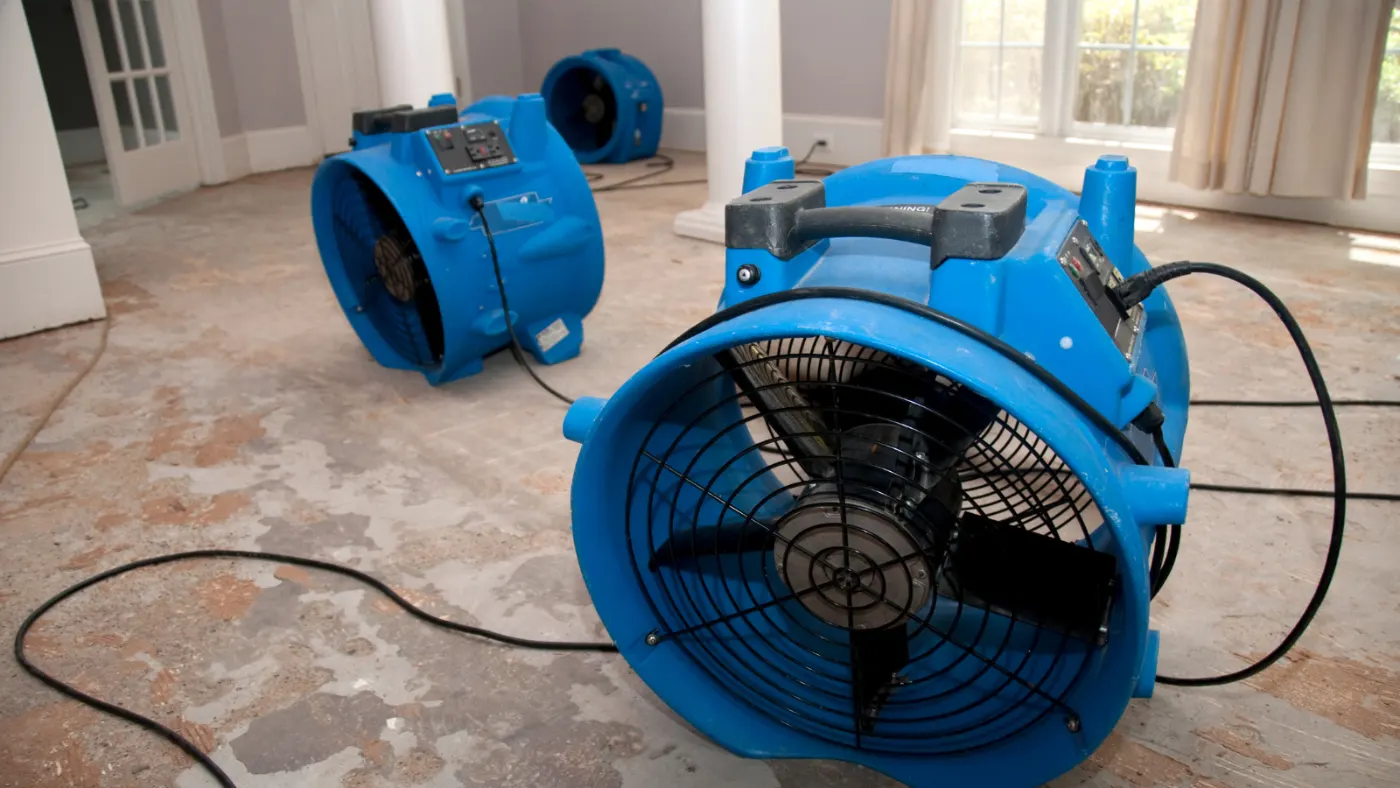
Air movers push air across wet floors and walls so the water evaporates, and dehumidifiers pull that moisture back out of the air. The two kinds of machines work as a pair, so both need to keep running.
Keep everything plugged in
Turning the equipment off slows the drying and can add days to the job. If the noise is a problem at night, call us and the crew will look at the setup with you on their next visit.
Keep windows closed
Open windows let humid outdoor air in, and the dehumidifiers then have to dry that air too. Keep the windows shut in the rooms being dried until the crew tells you to open them.
The equipment uses a lot of power
Drying equipment draws a steady load, so the crew spreads it across different circuits. If a breaker trips, reset it once, and call us if it trips again so the crew can move a unit.
Plastic walls stay up
If the crew hangs plastic sheeting to close off part of a room, it's there to keep dust and moisture contained. Leave the zipper doors closed, and keep curious pets from scratching at the plastic.
Tell us what you notice
You live in the house, so you'll notice changes between visits, like a new stain or a smell that wasn't there before. Mention them on the next visit, or call us if something seems wrong.
Humidity after the job
CDC recommends keeping indoor humidity as low as you can, no higher than 50 percent all day long. After the equipment leaves, a basement dehumidifier and a working bathroom fan help keep it there.
Finishing the dry out
Drying wraps up room by room, so some units may leave before others. When the last readings come back dry, the crew removes the rest of the equipment and walks the house with you.
The crew will walk you through the setup on the first day, and you can call us with questions until the last unit leaves your Shadeland home.
Sources: CDC, About Mold
Water damage response pricing in Shadeland
Final pricing for water damage restoration in Shadeland depends on water Category, square footage affected, drying time, and reconstruction scope. The ranges below reflect typical Shadeland market jobs, and your free on site inspection determines the exact number for your loss.
What Shadeland Homeowners Probably Want to Know
If you're dealing with water in your Shadeland home right now, start with these answers.
Expert Shadeland Restoration Crews Available Now
If water is spreading through your Shadeland home right now, or you suspect hidden moisture after a recent storm, call for fast emergency dispatch and we will get a certified crew rolling. Free on site inspection, no obligation, and we coordinate directly with your insurance carrier on scope and documentation.