Why Extraction Speed Decides Everything
Water damage follows a predictable curve. In the first 24 hours, water is still mostly on surfaces and in the top layers of porous materials. Hardwood floors are cupping but not crowning. Drywall is wet at the base but the paper backing is still intact. Subflooring is saturated but the joists beneath are dry. This is the window where aggressive extraction can save thousands of dollars in materials that would otherwise need replacement.
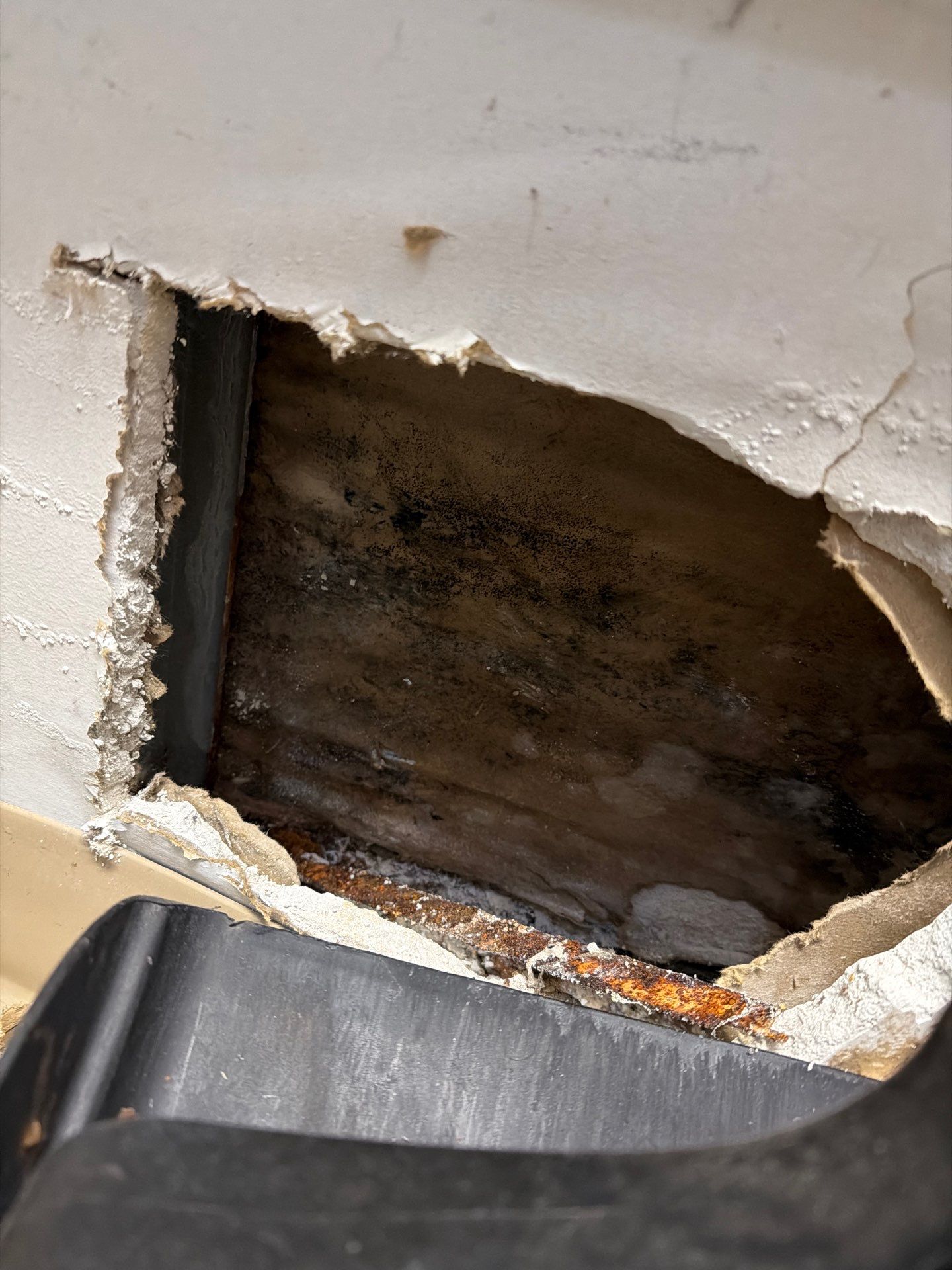
After 48 to 72 hours, the situation changes. Microbial growth begins under IICRC S500 guidelines, the category of water can shift from clean to contaminated, and structural materials begin permanent damage. The carpet pad that could have been saved with a fast extraction now has to be cut out and hauled to the curb. The baseboards that could have been dried in place now need removal. This is why response time, not just equipment, is the single biggest factor in your final restoration cost. Our emergency water removal response and pricing guide breaks down how those first hours map to dollars.
The math gets uncomfortable when you stretch the timeline further. A typical Shadeland home with 600 square feet of affected flooring might see a $3,500 extraction and drying bill at hour 12, climb to $7,000 at hour 48 once pad replacement and antimicrobial treatment enter the scope, and pass $15,000 by day five when mold remediation, drywall replacement, and cabinet removal stack on top of the original loss. The water itself does not cost more over time. The materials it ruins do.
Extraction Method Comparison
Not all standing water is removed the same way. The depth, the source category, and the surface determine what equipment your technician should bring through the door. The table below shows how the major extraction methods compare on the variables that actually matter to a homeowner.
| Method | Best Use Case | Water Volume | Typical Time per 500 sq ft | Cost Range | Limitations |
|---|---|---|---|---|---|
| Truck-mounted extractor | Deep standing water, basements, large losses | Up to 100+ gallons per hour | 1 to 2 hours | $400 to $1,200 | Hose run length, access to driveway |
| Portable extractor | Upper floors, tight spaces, smaller rooms | 15 to 25 gallons per hour | 3 to 5 hours | $300 to $800 | Slower on large losses, frequent tank dumps |
| Weighted (rover) extractor | Saturated carpet over pad, large open areas | Operator weight pulls trapped water | 2 to 4 hours | $400 to $900 | Carpet only, not for hard surfaces |
| Submersible pump | Standing water over 2 inches deep | 1,500 to 3,000 gallons per hour | 30 to 90 minutes | $200 to $600 | Stops working below 1 inch depth |
| Wet vacuum (DIY) | Minor spills under 1 inch, contained area | 5 to 10 gallons per hour | 4 to 8 hours | Equipment rental only | Not effective for Category 2 or 3 water |
| Specialty hardwood mat system | Saturated hardwood floors | Pulls bound moisture from wood | 3 to 7 days drying | $1,000 to $3,500 | Requires extraction completed first |
Reading the Table Against Your Situation
The numbers in that table tell a story most homeowners miss. A truck-mounted extractor is not just faster, it pulls a stronger vacuum, which means it removes water that a portable unit physically cannot reach. For a flooded basement in a Shadeland home with three inches of standing water across 800 square feet, the difference between a truck-mount and a shop vac is not 30 minutes. It is whether your subfloor survives.
The submersible pump and truck-mount combination is what professional crews use for basement losses, which is also why our basement flooding response starts with a pump to drop the water level before extraction equipment moves in. Pumps move bulk water fast but stop working at about one inch of depth. Extractors take over below that line and pull water out of the pores of carpet, pad, and subflooring.
Cost ranges in the table reflect the Shadeland market and include labor, equipment, and disposal. Category 2 water (dishwasher overflow, washing machine line) and Category 3 water (sewage, storm runoff, river flooding) push costs higher because of PPE, antimicrobial application, and material disposal protocols. If you are dealing with anything that came up through a floor drain or backed out of a toilet, you are in Category 3 territory and need a different response than a clean supply line break.
There is also a hidden variable the table cannot show directly, which is vacuum sealing on hard surfaces. A weighted extractor compresses the carpet fibers against the pad and uses the operator's body weight to force trapped water up into the wand. A standard wand extractor cannot replicate that pressure, which is why Shadeland Water Restoration crews stage equipment based on the surface assessment, not just the square footage. Two homes with identical water volume can need completely different equipment loadouts.
What Happens After Extraction
Pulling the water out is step one. The structural drying phase that follows is where most homeowners get surprised on their invoice. Air movers, dehumidifiers, and moisture meters run for three to five days minimum. Our technicians document moisture readings daily, both for your records and for the insurance adjuster. If your loss is going through a claim, that documentation is what separates a paid claim from a denied one. The full water damage restoration process from extraction through reconstruction is mapped out for homeowners who want to understand each phase before signing anything.
Equipment Placement Matters More Than Equipment Count
Homeowners often assume that more fans equal faster drying. That is not how psychrometry works. Air movers need to be angled at roughly 15 to 45 degrees against wet surfaces, spaced to create a circular airflow pattern, and paired with dehumidification sized to the affected cubic footage. A single oversized dehumidifier in the wrong room will lose to two correctly placed units every time. Shadeland Water Restoration technicians recalculate placement each day as moisture readings drop, because the equipment configuration that worked on day one is rarely the right configuration for day three.