Problem: You Cannot Tell If Your Clean Water Leak Is Still Category 1
A burst supply line under your kitchen sink starts as Category 1. Clean, treated water, no contamination, low health risk. The problem is that water does not stay Category 1 for long. Once it sits more than 24 to 48 hours, or once it touches drywall, insulation, carpet pad, or dust on a subfloor, it begins picking up contaminants and shifts to Category 2. Many Shadeland homeowners call us thinking they have a small clean water issue, when in reality the water has been migrating behind baseboards for two days.
Common Category 1 sources include broken copper or PEX supply lines, refrigerator ice maker lines, toilet tank fills (not the bowl), water heater tank seepage, and rainwater that has not yet contacted soil or roofing materials. The tricky part is that the source matters less than the time and the surfaces involved. A pinhole leak inside a wall cavity may stay technically clean for hours, but the gypsum and cellulose insulation it soaks into are already feeding any bacteria present.
Solution: Fast Extraction and Honest Category Assessment
The fix is speed and proper testing. When we arrive, we use moisture meters and thermal imaging to map exactly where the water has traveled, then extract standing water within the first hour on site. If the loss is still Category 1, we can usually dry the structure in place with air movers and dehumidifiers in three to five days, saving carpet, hardwood, and drywall. For a deeper look at how the drying timeline actually works, our piece on how long water damage takes to dry walks through realistic day by day expectations.
Category 1 cleanups in Shadeland typically run between 1,500 and 4,500 dollars when caught early, and most standard policies cover sudden and accidental supply line failures.
Problem: Category 2 Grey Water Is Already Affecting Your Health
Category 2 water comes from dishwasher overflows, washing machine discharge lines, aquarium breaks, toilet overflows that contain only urine, or a Category 1 loss that has aged past 48 hours. It carries detergents, food residue, bacteria, and sometimes chemicals. You will notice a slightly off smell within a day. People with asthma or young kids often start coughing before the homeowner connects the dots.
Problem: Category 3 Black Water Is a Health Emergency, Not Just Damage
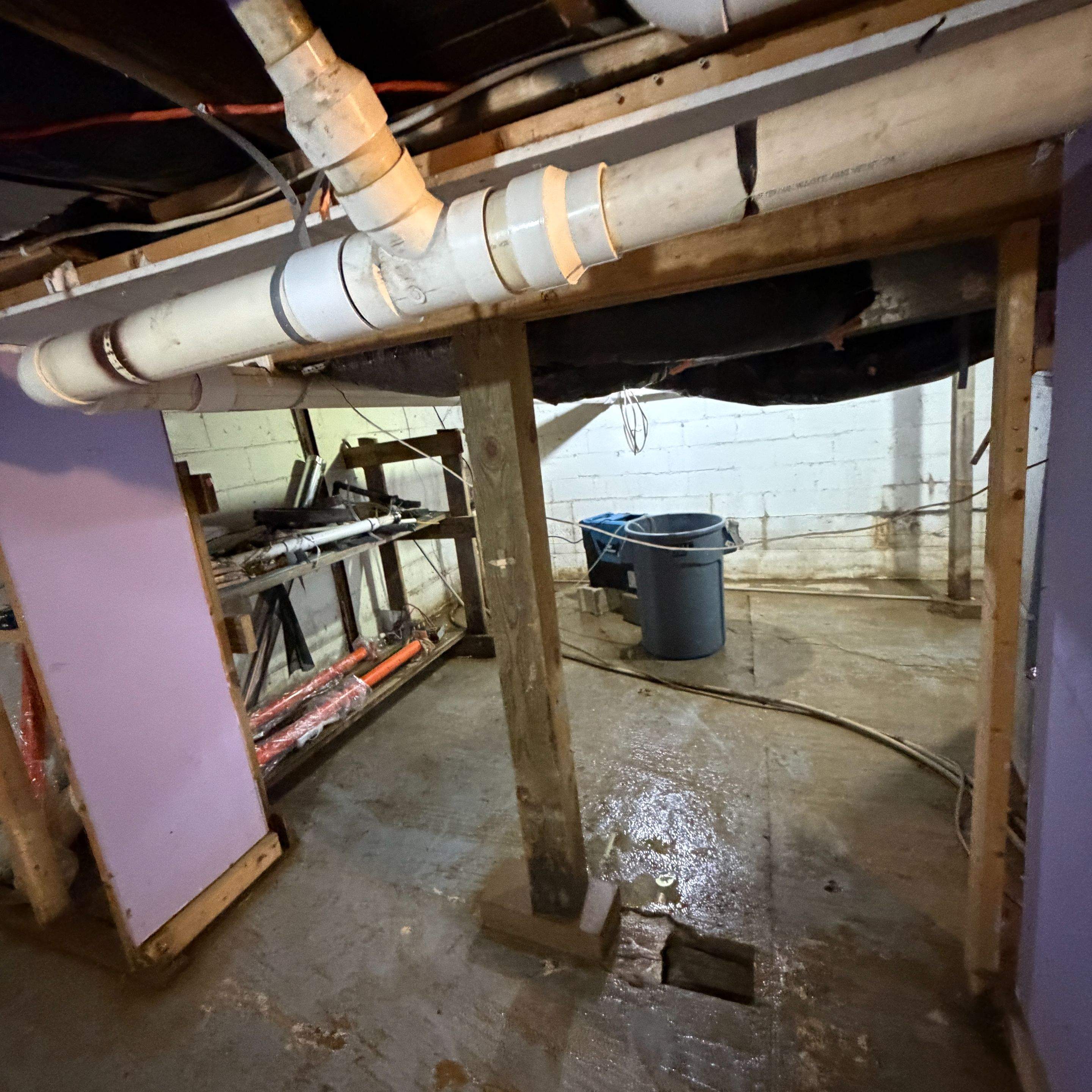
Category 3 is the worst of the three. It includes sewage backups, toilet overflows containing feces, rising flood water from outside, storm surge, and any water that has stood long enough to grow significant bacteria, viruses, or fungi. In central Indiana, we see Category 3 most often during heavy spring storms when sanitary sewers back up into basements, and after sump pump failures during overnight rain events.
This is not a shop vac job. Exposure to Category 3 water can cause gastrointestinal illness, respiratory infection, and skin reactions. If you are standing in it, you should not be.
Solution: Let the Restoration Report Do the Talking
When Shadeland Water Restoration responds to a loss in Shadeland, we document the category, class, affected square footage, moisture readings, and photos before any demolition starts. We share that report with you and your adjuster directly. You do not have to translate anything. That single document often determines whether your claim is approved quickly or stalls for two weeks.
Solution: Reinspect Before Demolition and Document Every Change
We reassess category at the start of each visit, not just on day one. If conditions worsen, we photograph the change, note the new readings, and notify the adjuster in writing the same day. That paper trail protects you if coverage questions come up later, and it keeps the scope of work honest as the job evolves.
Problem: You Are Not Sure What to Tell Your Insurance Company
Adjusters speak in category and class. If you call your carrier and say my basement is wet, you might get one response. If you say I have a Category 2 loss affecting approximately 400 square feet of finished basement, the conversation moves faster and your claim file looks more credible from minute one.
Solution: Contained Removal, Antimicrobial Treatment, and Selective Demolition
For Category 2, the IICRC standard requires antimicrobial application and removal of porous materials that cannot be cleaned to a sanitary condition. That usually means:
- Removing affected carpet pad, and often the carpet itself if saturation exceeded 24 hours.
- Cutting drywall to at least two inches above the visible waterline to inspect insulation and wall cavities.
- Applying an EPA registered antimicrobial to all affected surfaces before drying equipment goes in.
If your situation involves a washing machine line or dishwasher discharge, the steps overlap with what we describe in our grey water damage cleanup guide. Category 2 jobs in Shadeland usually run 3,000 to 8,000 dollars depending on square footage and how many rooms the water reached.
Problem: A Category Can Change Mid Project
One detail homeowners rarely hear is that category is not fixed. A Category 1 loss discovered on day three is no longer Category 1. A Category 2 loss left untreated over a weekend can move to Category 3 once bacterial growth takes hold. The same goes for a basement that took on clean rainwater but then sat for a week in summer heat. Reclassification changes the scope, the equipment, the PPE, and the cost.
Solution: Full PPE, Aggressive Demolition, and Documented Disinfection
Category 3 response is the most involved category we handle. Our crews arrive in full PPE, set up containment to prevent cross contamination into clean areas of the home, and begin extraction with truck mounted equipment. The protocol generally includes:
- Removing and disposing of all porous materials touched by the water, including drywall, insulation, carpet, pad, particleboard, and often cabinetry bases.
- HEPA vacuuming and applying a hospital grade disinfectant to all remaining structural surfaces.
- Setting drying equipment only after the affected area passes a post disinfection inspection.
If your loss involved a sewer line or backup, our black water emergency cleanup overview explains the documentation insurance adjusters in Shadeland look for. Category 3 jobs typically range from 7,000 to 25,000 dollars or more, and most homeowners policies require a separate water backup endorsement to cover them.